

When Kyla Scanlon coined the term Vibecession, it was in the midst of the pandemic spike in inflation in 2022 and in the years since it has captured the general mood of most of the world. The major shock of that year was the one-two punch of a spike in housing prices in most cities followed by the jump in interest rates. This shock came on top of a gradual uptick in the cost of insurance, groceries and childcare that have made the American Dream seem unattainable.
The internet feeds the world a consistent diet of statistics that show how the averages for house prices, wages and debt for Americans are moving in the wrong direction. If all you see is these numbers it can seem like the battle for a quality life has already been lost. In leading cities like New York, San Francisco or LA, the gap between normal wages and the housing market is beyond reach, but there are many people who are finding places to build a life in less glamorous locations.
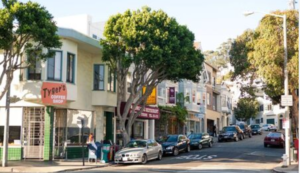
Image of Glen Park in San Francisco. Such a cool neighborhood, but also out of reach for most.
The Challenge Starts in the Big Cities
Especially for anyone under 40, the biggest challenge that I’m seeing is that the majority of the career opportunities are in the major cities like Seattle and San Francisco. I can picture the hopelessness of working in your 20s in one of these cities and potentially even earning a decent salary, but never seeing how you can afford a home over $1 million dollars. If you are underemployed and not even working in the field you studied in college, then it would look like an impossible mountain to climb.
Increasingly, the major hub cities in the US are becoming places where people go to get experience and hopefully grow their careers, but simply aren’t where most can settle down. Its been well documented that most of these cities don’t build enough housing and so the math is simply going to be moving in the wrong direction for the vast majority of people.
When a poll found that Gen Z thought they needed over $500K to feel successful, I can’t help but think that this is linked to where Gen Z is currently living. If you are in New York City or San Francisco, this number probably feels right. For anyone living in Buffalo, Omaha or Indianapolis, this number would feel massive.
Big Cities are For a Season, not forever
The one thing that is clear for virtually everyone is that the traditional American Dream of owning a home with a nice little yard and having a couple kids is out of reach in the major coastal cities of America. This is understandably massively discouraging since these cities are really cool places and it would be great if there was a clearer path to making it in the “big city.”
So what is someone in their 20s or 30s supposed to do when the cities with the best jobs are simply impossible to get established in?
For most people living in a major city, its just about making sure you get the value from the city as you look for an offramp to a smaller, less expensive place. Get the amazing experience at a startup or at one of the leading companies in the world, but don’t kid yourself to think that this will be a place you settle.
Even for those who stay in areas like Austin, they end up way out in the suburbs and not in the core. Families just don’t stay in the cities and so the time for relocating is coming for virtually everyone.

The Migration is on to Find a Quality Life Outside the Big City
For people in the phase of life with young kids or getting ready to start a family, the transition out of a major city is increasingly part of the deal. It has really been trending this way for decades, but the recent housing spike and interest rate hikes has made it even more pronounced. This is what makes the recent data from 2025 that put Hartford, CT and Buffalo, NY at the top of the hottest housing markets. This can be coupled with the consistent flow of people to the Carolinas and Texas. Some areas have gotten expensive, but there is still a lot of value even in the suburbs of Austin or Dallas. In these southern markets, the constant construction has actually led to pretty extensive price drops even though people continue to move there in pretty high numbers.
For my family, the move was to my hometown of Spokane, which sits at right about half the housing cost of Seattle. Spokane will never be as cool as Seattle, and we always look forward to trips across the Cascades to experience all that it has to offer. Spokane, like other middle of the road cities across the US, does have all that we need for a quality life. It has just enough and also has enough challenges that it will likely never become a place that wealthy people pour into in droves.
It’s this layer of cities that is the remedy to the Vibecession in my opinion. Its the places that we don’t want to move to in our 20s, but when you have a kid or two and your closing in on 40 then they actually have all that a family could need.
Its not as splashy an American Dream as I’m sure most people want, but its a quality life and its one that many people are quietly finding across the country. They don’t post on social media that they just bought a house in Buffalo, Spokane or the suburbs of Houston, but they are finding footing and quietly building a future.