
Location is always an important factor to consider when you are buying real estate. For many investors, buying a home on a busy street is a smart decision that can make life genuinely a lot easier. You’re instantly close to things that matter to you, whether it’s a park, the school, public transportation, or even the workplace. Besides, there’s also the financial aspect of it, which is that properties in high-traffic areas tend to appreciate at similar rates, which is a great thing for anyone who is considering selling in the future.
However, you need to be aware of the financial risks of such a property. There are many advantages, but a home on a busy street can also bring a set of challenges.
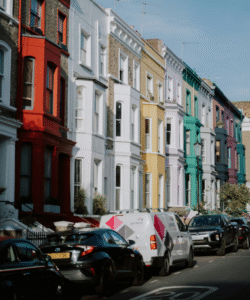
The Risk of Accidents
Ultimately, living on a busy street with public transportation means you don’t need to drive everywhere. But when you’re walking more, you’re also more exposed to higher traffic volumes. While it’s fair to say that accidents may not be related to financial losses per se, the gravity of the accident can affect your long-term health, income, and quality of living.
In fact, the first thing you are likely to hear from a pedestrian accident personal lawyer is that living on a busy street is essentially an accident waiting to happen. It doesn’t matter how careful you are; when there are many cars on the road, it only takes one inattentive driver to injure you.
Noise Pollution
Can you escape noise pollution in the city? The answer is no. You can, of course, invest in soundproofing solutions, but these come at a high cost in urban environments.
While some people get used to it, it can put off some buyers. In fact, this may be something most people don’t think about, but noise pollution has measurable financial consequences when you’re trying to sell your home. It can reduce its appeal to potential buyers. You may also be involved in lengthy negotiations, especially with buyers who are trying to bring the price down as a result of noise.
Risk of Property Damage
Busy streets don’t bring only more noise; they also bring more risks of accidental damage to your property. Once again, more vehicles on the road increase the risk of minor bumps that can affect your car if you park on the street.
When it comes to the property itself, you can expect more traffic-related debris, pollution, and vibrations, which can increase signs of wear and tear. This means that fencing, siding, windows, and even facade paint can be affected, and maintenance costs can ramp up.
Higher Insurance Premiums
Homes near high-traffic areas tend to have high risk ratings, which can translate into increased homeowners’ insurance premiums. You may also find that insurers tend to recommend higher coverage limits for such properties, especially if there is a history of accidents in the same area.
In day-to-day life, this is something you can feel through increased monthly expenses, and it can even affect long-term affordability.
So, is it really worth buying a property on a busy street? There is no clear yes or no answer, as every investor will need to come to their own conclusion by assessing the pros and cons.