
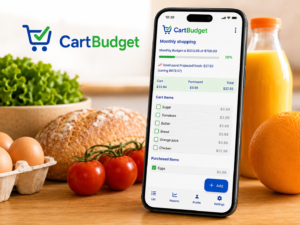
A little over a year ago, I looked back at my monthly grocery spending and was shocked. I had been spending around $1,200 every month on groceries. Like many families, I knew grocery prices had increased, but I hadn’t realized just how much my own spending had quietly grown over time. It wasn’t because I was buying luxury items or shopping at expensive stores—I simply wasn’t paying enough attention to my spending while I was shopping. I knew something had to change.
Instead of hoping my grocery bill would somehow improve, I gave myself a clear goal: keep my monthly grocery spending below $700. It sounded simple, but in reality it wasn’t. The biggest challenge wasn’t creating a budget—it was sticking to it. Every time I went grocery shopping, I had no idea how much I had spent until I reached the checkout. By then, it was already too late to make changes.
Looking for a Better Way
Like many people, I tried the obvious solutions. I reviewed receipts, checked my bank statements, experimented with spreadsheets, and downloaded budgeting apps. They all helped me understand where my money had already gone, but none of them helped me while I was still walking through the grocery store. I realized I didn’t need another budgeting report after I got home. I needed something much simpler. I needed to know exactly how much I was spending before I reached the checkout.
When I couldn’t find an app that worked the way I wanted, I decided to build one myself. I wasn’t trying to start a business or launch a startup. I simply wanted a tool that would help me stay on budget while I was shopping. That early version eventually became CartBudget.
Changing the Way I Shopped
For the next five months, I used the app every single time I went grocery shopping. Before entering the store, I already had a spending target in mind. As I placed items into my cart, I entered each item into the app and watched my running total increase in real time. Instead of guessing what my final bill might be, I knew exactly where I stood throughout my shopping trip.
One shopping trip stands out in particular. I was approaching the spending limit I had set for that trip when I noticed my running total getting close to my target. Instead of continuing to fill my cart, I paused, reviewed what I had already selected, and removed a few non-essential items that could easily wait until my next visit. I walked out of the store having spent exactly what I intended to spend. That simple habit eventually became routine. Instead of reacting after I had overspent, I was making better decisions before I paid.
Small Habits Produced Big Results
Over time, I realized the app wasn’t simply tracking my spending—it was changing the way I shopped. Every grocery trip contributed to my weekly and monthly budget, and because I could see my spending at any moment, I naturally became more aware of every purchasing decision. Whenever I noticed I was getting close to my monthly spending limit, I slowed down. Instead of automatically putting another item into my cart, I started asking myself simple questions: Do I really need this today? Can this wait until next week? Will this item last longer than another option?
Those weren’t difficult questions. The difference was that I was asking them before reaching the checkout instead of after getting home. The app didn’t make those decisions for me—it simply gave me the information I needed at the exact moment I needed it.
I also started paying attention to my average grocery spending per trip. Rather than focusing only on my monthly total, I challenged myself to make every shopping trip as efficient as possible. I found myself comparing one trip to the next, looking for ways to reduce unnecessary spending while still buying everything my family needed. Those small improvements added up surprisingly quickly.
The Month Everything Clicked
One month stands out more than any other.
By May, using the app had become second nature. I wasn’t consciously thinking about budgeting anymore because the routine had become automatic. Before every shopping trip, I knew roughly how much I wanted to spend. During the trip, I tracked every item I placed in my cart. If my running total started getting too close to my target, I simply made a few adjustments before reaching the checkout.
At the end of the month, I opened my monthly spending report and saw something I honestly wasn’t expecting.
I had spent only $420 on groceries.
I actually looked at the report twice because I couldn’t believe it. My original goal had been to stay below $700, yet I had finished almost $300 below that target. Compared with the previous year, when I had been spending around $1,200 each month, I had reduced my grocery spending by approximately $700.
That was the moment I realized this wasn’t luck.
The system was working.
More Than Saving Money
Saving money wasn’t the only benefit.
Before using the app, I would occasionally forget an important grocery item and end up making another trip to the store later in the week. Those extra trips often led to buying things I hadn’t planned to purchase in the first place.
Once I started planning every shopping trip and tracking everything in one place, those extra trips almost disappeared. I always knew what I needed, what I had already spent, what my average grocery trip looked like, and how close I was to my weekly and monthly budget. Shopping became more organized, more efficient, and much less stressful.
Why I Released CartBudget
After using the app privately for five months and seeing how much it had changed the way I shopped, I started wondering whether other families were facing the same challenge. Most budgeting tools help people understand where their money went after they’ve spent it. Very few help people make better spending decisions while they’re still shopping.
That’s why I decided to refine the app and release it publicly as CartBudget.
My goal isn’t to tell people how much they should spend on groceries because every household is different. My goal is to help people understand where they stand before they pay, build better shopping habits, and feel more confident about their grocery spending.
Looking back, I don’t think the biggest lesson was learning how to spend less. It was learning that small decisions made before checkout often have the biggest impact on the monthly total. Grocery prices may continue to rise, but understanding your spending while you’re still shopping is something every family can control.
Sometimes saving money isn’t about buying less.
It’s about making better decisions before you reach the checkout.
Barry Blanchard is the founder of CartBudget, a grocery budgeting app designed to help shoppers track their grocery spending in real time, stay within budget, and monitor their weekly and monthly spending before reaching the checkou