

By: Chris Bemis
1 million in numbers – how much is it?
The number 1 million is more than just a big number; it’s a milestone that captures our imagination and represents big dreams and achievements.
Simply put, 1 million is written with 6 zeros as 1,000,000.
But, one million is more than just a number.
Whether it’s about saving up a million dollars, getting a million followers on social media, or understanding what a million stars look like in the sky, this number stands at the edge of what we can easily understand and the vast unknown.
In this article, we’re going to explore everything about 1 million – from what it looks like in numbers, its history, and how it shows up in different parts of our lives and the world around us.
We’ll look into its importance in math, its role in our culture, and what it means when we talk about having or seeing 1 million of something. Get ready to dive deep into the story of 1 million and see just how big and meaningful this number can be.
Understanding 1 Million in Numbers
When we hear the number 1 million, it immediately conjures images of vastness and abundance, whether that’s dollars, followers, or stars in the sky. But what does 1 million actually look like in numerical form?
Simply put, 1 million is represented as 1,000,000.
It signifies a thousand thousands and is a key milestone in the numerical system that showcases the leap from personal, tangible numbers into the realm of the abstract and massive.
To truly grasp the magnitude of 1 million, it’s helpful to place it in comparison with other large numbers.
For instance:
- A thousand (1,000) is the basic unit of what we consider “large” in daily transactions and measures.
- A million (1,000,000) is a thousand times larger than a thousand.
- A billion (1,000,000,000) takes this a step further, being a thousand times larger than a million.
- Progressing even further, a trillion (1,000,000,000,000) is a thousand billion.
Visualizing this, imagine if each 1 represented a single grain of sand. A small jar could contain about 1,000 grains. A large sandbox might hold 1 million grains. But to reach a billion, you’d need a thousand sandboxes. And for a trillion? A thousand times that amount.
Check out this link from Wait But Why for visualizing 1 million.
Next, let’s look at the history of the word “million”.

Historical Context and Evolution of 1 Million
The term “million” has its origins in the Italian word “milione,” which is derived from “mille,” meaning “thousand,” and the augmentative suffix “-one,” suggesting “a great thousand.” This evolution reflects humanity’s growing sophistication in numerical concepts and their applications.
The earliest documented use of “million” in English dates back to the early 14th century, indicating a time when societies were beginning to grasp the idea of counting to such large numbers, laying the groundwork for modern numerical systems.
Throughout history, the number 1 million has represented significant milestones.
For instance, in ancient Rome, amassing a million denarii was a notable achievement that elevated individuals to the status of millionaires, a term still in use today.
During the Middle Ages, however, the concept of a million was more abstract, often appearing in religious texts to symbolize limitless abundance.
In more recent times, the idea of one million has become ingrained in various aspects of society. With the rise of capitalism, achieving a million and becoming a millionaire has become a marker of success and affluence. Similarly, in the digital age, metrics like one million followers on social media platforms signal influence and popularity.
Next, let’s look at some other facts about one million.
How Do You Abbreviate One Million?
If you have to write million in an abbreviated or short form, you may write it as M/m or MM/mm. M in Roman numerals stands for thousand. To write 1 million in Roman numerals, we can use the symbol MM/mm.
It means 1000 x 1000, which equals 1,000,000 or 1 million. You would have noticed MM or mm in financial reports and accounts. Its other forms include mil.
These abbreviations provide convenient ways to express large numbers efficiently, particularly in contexts where space or brevity is essential. Whether it’s in financial documents, statistical reports, or everyday communication, understanding these abbreviations enhances clarity and facilitates effective communication.
What Can You Do With $1 Million Dollars?
Here are some interesting things you could do with 1 million dollars (USD):
With $1 million dollars at your disposal, the possibilities for investment, adventure, and personal fulfillment are endless. Here are fifteen of the most compelling and diverse ways you could utilize this substantial sum:
- Real Estate Investment: Purchase a property or invest in real estate ventures to secure long-term financial growth. For instance, you could buy a luxury condominium in a prime urban location or buy smaller multiple properties.
- Travel the World: Embark on a globe-trotting adventure, visiting exotic destinations and experiencing diverse cultures firsthand. With $1 million, you could take multiple extended trips, such as exploring Europe for several months or traveling across Asia and Oceania.
- Higher Education: Invest in education by funding your own or your children’s academic pursuits, including specialized courses or degrees. This could cover tuition fees for advanced degrees or professional certifications from prestigious institutions.
- Philanthropy: Establish a charitable foundation or contribute to causes close to your heart, making a positive impact on society. With $1 million, you could fund community development projects, provide scholarships for underprivileged students, or support healthcare initiatives in underserved areas.
- Startup Venture: Turn your entrepreneurial dreams into reality by launching a new business or investing in innovative startups. With $1 million, you could fund the initial stages of a tech startup, covering expenses such as product development, marketing, and hiring.
- Art Collection: Cultivate a collection of artworks, ranging from contemporary pieces to timeless classics, as a form of investment and appreciation. This could include purchasing paintings, sculptures, or photography from emerging artists or renowned masters.
- Luxury Travel Experience: Indulge in once-in-a-lifetime experiences such as luxury cruises, private jet charters, or exclusive resort stays. With $1 million, you could book a world cruise in a luxury suite, charter a private jet for a multi-city tour, or stay in luxury villas and resorts around the globe.
- Financial Investments: Diversify your portfolio by investing in stocks, bonds, mutual funds, or other financial instruments to grow your wealth over time. With $1 million, you could create a diversified investment portfolio tailored to your risk tolerance and financial goals.
- Health and Wellness: Prioritize your well-being by investing in top-tier healthcare services, fitness programs, and wellness retreats. This could include annual memberships to exclusive gyms, personal training sessions, and health-focused vacations.
- Culinary Exploration: Explore the world of gastronomy by dining at Michelin-starred restaurants, attending cooking classes, or even hiring a personal chef. With $1 million, you could indulge in gourmet dining experiences, enroll in culinary courses at renowned institutes, or have a private chef prepare meals in your own home.
- Tech Gadgets and Innovations: Stay on the cutting edge of technology by investing in the latest gadgets, home automation systems, or virtual reality experiences. This could include purchasing high-end smartphones, smart home devices, or investing in emerging technologies like virtual reality headsets.
- Adventure Sports: Feed your adrenaline by pursuing adventure sports like skydiving, bungee jumping, or deep-sea diving in exotic locales. With $1 million, you could book guided tours and expeditions to iconic adventure destinations, purchase equipment, and receive training from certified instructors.
- Personal Development: Enrich your mind and spirit through personal growth seminars, retreats, or workshops focused on self-improvement. This could include attending leadership conferences, mindfulness retreats, or personal development workshops led by renowned experts.
- Fashion and Style: Elevate your wardrobe with custom-made attire from renowned fashion designers or invest in timeless luxury fashion pieces. With $1 million, you could purchase designer clothing, accessories, and jewelry, or even commission custom-made outfits tailored to your preferences.
- Sustainable Living: Foster eco-friendly practices by investing in renewable energy solutions for your home, such as solar panels or energy-efficient appliances. With $1 million, you could install solar panels, upgrade to energy-efficient appliances, and implement sustainable practices to reduce your carbon footprint.
With $1 million dollars, you have the opportunity to create a life filled with adventure, purpose, and fulfillment, enriching both your own experiences and the lives of others.
Mathematical Concepts Involving 1 Million
Understanding one million in mathematical contexts involves various concepts, including arithmetic, algebra, and statistics. In arithmetic, one million serves as a significant numerical benchmark, often used in calculations involving large quantities.
For example, multiplying one million by any number results in a figure with six zeros, highlighting its magnitude.
In algebra, one million may feature in equations representing exponential growth or large-scale operations. For instance, equations modeling population growth or financial investments often incorporate the concept of one million to illustrate exponential increases or monetary values.
Statistics also utilize one million to analyze data sets and probabilities. Sampling one million data points from a population allows statisticians to draw meaningful conclusions and make accurate predictions. Additionally, in probability theory, one million trials of an event can provide insights into the likelihood of certain outcomes.
Moreover, one million serves as a fundamental unit in numerical systems, such as the decimal and binary systems. In the decimal system, one million is represented as 1,000,000, whereas in the binary system, it is expressed as 11110100001001000000.
Understanding these mathematical concepts involving one million is crucial for navigating various fields, from finance to science, where large numbers play a significant role in analysis and decision-making.
1 Million in Pop Culture and Media
One million holds a prominent place in pop culture and media, often symbolizing success, aspiration, and achievement. In music, songs like “One in a Million” by Aaliyah or “Million Reasons” by Lady Gaga convey themes of uniqueness and resilience, resonating with audiences worldwide.
In film and television, the notion of one million frequently appears as a plot device or symbolic milestone. For example, characters striving to earn or accumulate one million dollars feature prominently in movies like “Slumdog Millionaire” or TV shows like “Breaking Bad,” reflecting societal perceptions of wealth and success.
Moreover, social media platforms celebrate milestones like reaching one million followers or subscribers, signifying influence and popularity.
Content creators, influencers, and celebrities often mark these achievements with gratitude posts or special acknowledgments, further embedding the significance of one million in contemporary culture.
The presence of one million in pop culture and media underscores its enduring appeal and relevance in shaping societal narratives and aspirations.
Final Thoughts
Throughout this exploration of 1 million, we’ve looked at its mathematical significance, cultural representation, and evolving role in our increasingly digitized world. From its roots in exponential growth and statistical relevance to its symbolic presence in media and the psychological effects of achieving such a milestone, 1 million remains a fascinating point of reference that challenges and inspires.
As we continue to navigate a world where numbers and their implications grow ever larger, let us reflect on what milestones like 1 million mean to us personally and collectively. Do they represent mere numbers, or do they hold deeper value and significance?
We encourage you to explore further the numbers that shape our world, their impact on our lives, and the stories they tell. In doing so, we not only gain a better understanding of our world but also of the aspirations and achievements that define us.
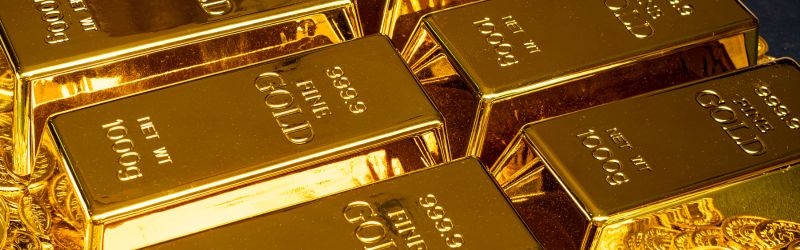
Gold, an enduring symbol of affluence and prosperity, has held humanity in awe for centuries. Its appeal goes beyond cultural significance; gold boasts intrinsic value within the intricate tapestry of the global economic landscape.
Have you ever pondered the worth of a substantial quantity, such as 80 pounds of gold, in today’s market?
Currently, in March 2024, the price of one troy ounce of gold is roughly $2,050.
For .999 fine physical gold bullion or any other precious metal, a pound translates to 14.583 troy ounces of gold or the equivalent amount in another precious metal. Understanding this metric is pivotal for those navigating the intricate dynamics of the precious metals market.
Therefore, to calculate how much 1 pound of gold is worth, you could multiply the current price of $2,050 by 14.583.
Then, multiply by 80 to get how much 80 pounds of gold is worth. Therefore, the current value of 80 pounds of gold is $2,391,612!
But the story doesn’t end there.
In this article, we will get into answering the question of “How Much is 80 Pounds of Gold Worth?” and other relevant pieces of information related to how gold is priced.
Understanding Gold Pricing
First, let’s talk about how gold is priced.
Gold pricing is a complex interplay of various factors that collectively determine its value in the global market.
As investors and enthusiasts seek to comprehend the dynamics behind the glittering metal’s worth, it’s essential to learn about the intricate web of economic, geopolitical, and market-related influences.
- Economic Conditions: One of the primary drivers of gold prices is the prevailing economic climate. During periods of economic uncertainty or recession, investors often flock to gold as a safe-haven asset. The inverse relationship between the value of the U.S. dollar and gold prices further accentuates this trend. In times of economic instability, gold tends to retain its value, providing a reliable store of wealth.
- Inflation Rates: Gold has historically been viewed as a hedge against inflation. When inflation rates rise, the purchasing power of currencies diminishes. Investors turn to gold to preserve their wealth as it generally maintains its value even as the cost of living increases. Understanding the correlation between gold prices and inflation rates is crucial for predicting its value in different economic scenarios.
- Geopolitical Events: Geopolitical events can have a profound impact on gold prices. Wars, political instability, and diplomatic tensions can drive investors to seek the safety of gold, leading to an uptick in demand and subsequently, prices. Monitoring global events and their potential impact on geopolitical stability is integral to gauging the trajectory of gold prices.
- Interest Rates: Interest rates play a pivotal role in shaping gold prices. Central banks’ decisions on interest rate adjustments can influence the opportunity cost of holding gold. When interest rates are low, the appeal of non-interest-bearing assets like gold increases, driving up demand and, consequently, prices. Conversely, higher interest rates may lead to a decrease in gold prices as alternative investments become more attractive.
Weight and Measurement in the Gold Market
Understanding how gold is measured and the significance of weight in the gold market is fundamental for anyone navigating the intricacies of gold trading.
The unique measurement standards and the sheer weight of large gold quantities, such as a pound, contribute to the precious metal’s allure and value.
Gold is typically measured in troy ounces, distinct from the more familiar avoirdupois ounces used for everyday items. One troy ounce is equivalent to approximately 31.1035 grams. This specialized measurement unit is crucial in the gold market, ensuring standardization and uniformity in transactions globally.
When we speak of a pound of gold, we’re referring to the troy pound, which is distinct from the avoirdupois pound. A troy pound consists of approximately 12 troy ounces. The weight is not merely a numerical value; it signifies a substantial quantity of gold with immense value.
This division allows for more granular transactions in the gold market. Investors often encounter prices per troy ounce when assessing the value of gold, making it essential to grasp the relationship between troy pounds and ounces for accurate valuation and comparison.
How to Convert Troy Ounces and Troy Pounds to Ounces and Pounds
Converting Troy ounces and Troy pounds to regular ounces and pounds is as follows:
- Troy Ounces to Regular Ounces:
- 1 Troy Ounce (ozt): Equals approximately 31.1035 grams.
- 1 Regular Ounce (oz): Equals about 28.3495 grams.
- To convert Troy ounces to regular ounces, multiply the troy ounces by the conversion factor of 1.09714 (28.3495 / 31.1035).
- Troy Pounds to Regular Pounds
- 1 Troy Pound (troy pound): Equals approximately 12 troy ounces.
- 1 Regular Pound (pound): Equals approximately 16 avoirdupois ounces.
- To convert Troy pounds to regular pounds, multiply the troy pounds by the conversion factor of 1.33 (12 / 16).
How Much is 80 Pounds of Gold Worth Today?
Currently, in March 2024, the price of one troy ounce of gold is roughly $2,050.
To calculate how much one pound of gold is worth, you multiply the current price of $2,050 per troy ounce by 14.583 troy ounces.
Then, multiply by 80 to get the value of 80 pounds.
Therefore, the current value of 80 pound of gold is $2,391,612!
Now that we’ve answered the question of how much is 80 pounds of gold worth, let’s look at how much gold has been worth throughout history.
How Much has Gold Been Worth Throughout History?
Gold, a timeless symbol of wealth, has seen notable variations in value throughout history.
Examining specific periods provides a glimpse into the diverse influences on gold’s worth.
1. Gold During Ancient Civilizations
In ancient civilizations, spanning cultures from Egypt to Mesopotamia, gold held unparalleled cultural and monetary significance. Revered for its lustrous beauty and rarity, gold became a symbol of divine power, adorning temples, tombs, and the regalia of rulers.
In Ancient Egypt, gold transcended its material worth. The pharaohs adorned themselves with intricate gold jewelry, and the precious metal played a vital role in burial rituals, symbolizing the eternal and divine. The exact value of a pound of gold in ancient Egypt is difficult to estimate, but its cultural and symbolic importance was immeasurable.
Mesopotamian civilizations, such as the Sumerians and Babylonians, prized gold for its aesthetic qualities and rarity. It was used to craft artifacts, including religious items and royal insignia. The value of a pound of gold in Mesopotamia would have been a symbol of immense wealth, influencing trade and diplomatic relations.
2. Gold in the Middle Ages
As trade routes expanded and economies underwent transformations during the Middle Ages, gold continued to assert itself as a symbol of wealth and power.
In the Byzantine Empire, gold coins like the solidus were a stable currency for centuries. One solidus contained around 24 pure karats of gold. While the exact value of a pound of gold in Byzantium is challenging to quantify, the stability and prevalence of gold in commerce elevated its importance.
The Middle Ages saw the flourishing of trade along the Silk Road, connecting East and West. Gold, used as both currency and commodity, played a pivotal role in this commerce. The value of a pound of gold during Silk Road exchanges would have been a marker of considerable economic influence.
3. Gold in the 1700s and 1800s
The 1700s and 1800s were transformative periods in the history of gold, marked by significant economic shifts, technological advancements, and major geopolitical events. The role of gold during these centuries evolved, influencing global trade, shaping monetary systems, and sparking pivotal moments such as gold rushes.
During the 1700s, the Spanish colonies in the Americas were prolific producers of gold. Mines in present-day Mexico and Peru yielded substantial quantities, contributing to the economic expansion of Spain and fueling the global circulation of gold. The immense wealth extracted from these colonies played a crucial role in financing European wars and supporting the mercantilist ambitions of empires.
As the 1700s progressed, various nations began minting gold coins, laying the foundation for the gold standard. These coins, often depicting powerful rulers or national symbols, became a tangible representation of a country’s economic strength. The British Gold Sovereign, introduced in 1817, and the U.S. Double Eagle, minted from 1849, exemplify this era’s commitment to using gold as a standard of value.
While it’s challenging to provide precise price estimates for gold in the 1700s and 1800s due to the lack of standardized records and the variety of currencies used during that time, historical accounts and some benchmarks can offer insights into the approximate values:
- Spanish America:
- During the 1700s, the Spanish colonies, particularly in Mexico and Peru, were major gold producers. The extracted gold was primarily used to mint coins like the Spanish doubloon. The value of gold in these coins fluctuated based on purity and weight. For instance, a Spanish doubloon, containing around 27 grams of gold, might have had a value equivalent to several months’ wages for an average worker.
- Gold Standard Era:
- In the early to mid-1800s, as the gold standard gained prominence, specific values were assigned to gold coins. For example, the British Gold Sovereign, introduced in 1817, had a face value of one pound. In the United States, the Double Eagle, introduced in 1849, had a face value of $20. These face values, however, do not necessarily reflect the market value, which could be influenced by factors like scarcity and demand.
- California Gold Rush:
- During the California Gold Rush (1848–1855), the sudden influx of gold into the market had significant effects. While the exact market price varied, gold prices surged as a result of increased supply. In the early 1850s, gold prices reached approximately $18 to $20 per troy ounce.
It’s important to note that these estimates are based on historical accounts, and the actual values and purchasing power of gold during these periods can be challenging to precisely determine. The absence of a standardized global currency system during these centuries adds complexity to estimating the historical values of gold.
4. Post-War Period and the Bretton Woods Agreement (1940s-1970s)
Following World War II, the global economy sought stability, leading to the establishment of the Bretton Woods Agreement in 1944. Under this agreement, major currencies were pegged to the U.S. dollar, and the U.S. dollar, in turn, was pegged to gold at the fixed rate of $35 per ounce. This linkage had a profound impact on the value of a pound of gold, equating to $1,120,000.
The Bretton Woods system brought a sense of stability to international monetary relations, as currencies were anchored to a tangible asset—gold. However, the fixed exchange rate faced challenges as economies recovered and global trade expanded. The demand for the U.S. dollar grew, putting pressure on gold reserves.
The early 1970s witnessed a paradigm shift as economic dynamics strained the fixed exchange rate system. In 1971, President Richard Nixon announced the suspension of the dollar’s convertibility into gold, effectively ending the Bretton Woods Agreement. This marked a turning point, introducing a new era characterized by floating exchange rates and increased volatility in gold prices.
5. The Late 20th Century (1970s-1999)
Amid economic uncertainties and geopolitical tensions, the late 20th century saw remarkable fluctuations in gold prices, reflecting the metal’s role as a hedge against uncertainty.
The 1970s witnessed a surge in gold prices driven by a combination of factors, including oil crises, inflationary pressures, and geopolitical unrest. By 1980, gold reached a historic peak of $850 per ounce, making a pound of gold worth an astonishing $27,280,000. This period underscored gold’s resilience as a store of value during turbulent times.
Subsequent decades experienced fluctuations influenced by events like the Gulf War and economic recessions. The Gulf War in the early 1990s, coupled with economic uncertainties, led to renewed interest in gold as a safe-haven asset. The fluctuating geopolitical landscape and varying economic conditions continued to shape the trajectory of gold prices throughout the late 20th century.
6. The New Millennium (2000s-present)
Entering the new millennium, gold regained prominence. In 2008, during the financial crisis, gold prices soared to over $1,000 per ounce, elevating the value of a pound of gold to approximately $32,150,000. The following years witnessed sustained interest in gold as a safe-haven asset amid economic uncertainties.
The following years witnessed sustained interest in gold as a safe-haven asset amid economic uncertainties, geopolitical tensions, and concerns about currency stability. The metal continued to serve as a valuable diversification tool in investment portfolios.
In 2020, the global COVID-19 pandemic triggered another remarkable surge in gold prices. As investors sought refuge in safe-haven assets, gold prices surpassed $2,000 per troy ounce. The value of a pound of gold reached unprecedented heights, emphasizing gold’s enduring role as a store of value and a hedge against economic uncertainties.
Below is a graphical representation of gold prices over the last 50 years, showcasing the dynamic nature of the precious metal market. Peaks and troughs in the graph reflect periods of economic prosperity, crises, and changing investment landscapes, influencing the value of a pound of gold.
Gold Price Over Time
source: tradingeconomics.com
Understanding the historical context and examining price trends provides valuable insights into the multifaceted nature of gold as an asset class. The graph serves as a visual aid to comprehend the market’s response to various economic and geopolitical events, allowing investors and enthusiasts to make informed decisions regarding the worth of significant gold holdings.
Can You Buy 80 Pounds of Gold?
The idea of purchasing 80 pounds of gold may seem like a fantasy reserved for the ultra-wealthy, but it’s a notion that unveils the practicalities and complexities of acquiring such a big quantity of this precious metal.
The first consideration revolves around the ever-changing price of gold. As of recent data, the price per troy ounce hovers around $2,000. This means that the cost of one pound of gold is in the range of $30,000, excluding additional expenses like taxes, transaction fees, and storage costs.
If you wanted to buy 80 pounds of gold, you would need $2,391,612!
While the global gold market is vast, acquiring a pounds of gold can be done online, but other times it might require negotiations with reputable dealers, banks, or mining companies.
Other considerations include:
- Storage Logistics: Owning a pound of gold poses logistical challenges, especially concerning storage. The sheer weight and volume require specialized facilities with stringent security measures. Factors like insurance, transportation, and storage fees must be meticulously addressed.
- Liquidity and Resale: While gold is a highly liquid asset, selling a pound of gold can be a complex process. Finding a buyer willing to purchase such a substantial quantity at the desired price may require time and negotiation skills.
In essence, while it’s possible to “buy 80 pounds of gold,” the practicalities involve navigating complex the financial landscape.
For the average individual, owning a pound of gold could be possible, but there are more factors to consider.
Final Thoughts
In wrapping up our article of “How Much is 80 Pounds of Gold Worth?” we’ve covered the historical, economic, and cultural aspects of this valuable metal. From its use in ancient times to the impact of gold rushes and the influences of geopolitical events, the value of 80 pounds of gold reflects the changes over time.
As we bridge the past and present, the question about the worth of 80 pounds of gold isn’t just about numbers; it’s about understanding the enduring importance of gold. It has consistently served as a symbol of wealth, stability, and a safeguard against uncertainties. Its significance persists, making it a valuable asset that spans centuries.
Hopefully this article has been interesting for you to learn about gold.
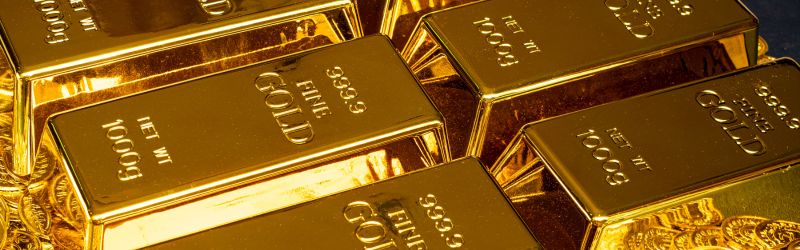
Gold, an enduring symbol of affluence and prosperity, has held humanity in awe for centuries. Its appeal goes beyond cultural significance; gold boasts intrinsic value within the intricate tapestry of the global economic landscape.
Have you ever pondered the worth of a substantial quantity, such as 30 pounds of gold, in today’s market?
Currently, in March 2024, the price of one troy ounce of gold is roughly $2,050.
For .999 fine physical gold bullion or any other precious metal, a pound translates to 14.583 troy ounces of gold or the equivalent amount in another precious metal. Understanding this metric is pivotal for those navigating the intricate dynamics of the precious metals market.
Therefore, to calculate how much 1 pound of gold is worth, you could multiply the current price of $2,050 by 14.583.
Then, multiply by 30 to get how much 30 pounds of gold is worth. Therefore, the current value of 30 pounds of gold is $896,854!
But the story doesn’t end there.
In this article, we will get into answering the question of “How Much is 30 Pounds of Gold Worth?” and other relevant pieces of information related to how gold is priced.
Understanding Gold Pricing
First, let’s talk about how gold is priced.
Gold pricing is a complex interplay of various factors that collectively determine its value in the global market.
As investors and enthusiasts seek to comprehend the dynamics behind the glittering metal’s worth, it’s essential to learn about the intricate web of economic, geopolitical, and market-related influences.
- Economic Conditions: One of the primary drivers of gold prices is the prevailing economic climate. During periods of economic uncertainty or recession, investors often flock to gold as a safe-haven asset. The inverse relationship between the value of the U.S. dollar and gold prices further accentuates this trend. In times of economic instability, gold tends to retain its value, providing a reliable store of wealth.
- Inflation Rates: Gold has historically been viewed as a hedge against inflation. When inflation rates rise, the purchasing power of currencies diminishes. Investors turn to gold to preserve their wealth as it generally maintains its value even as the cost of living increases. Understanding the correlation between gold prices and inflation rates is crucial for predicting its value in different economic scenarios.
- Geopolitical Events: Geopolitical events can have a profound impact on gold prices. Wars, political instability, and diplomatic tensions can drive investors to seek the safety of gold, leading to an uptick in demand and subsequently, prices. Monitoring global events and their potential impact on geopolitical stability is integral to gauging the trajectory of gold prices.
- Interest Rates: Interest rates play a pivotal role in shaping gold prices. Central banks’ decisions on interest rate adjustments can influence the opportunity cost of holding gold. When interest rates are low, the appeal of non-interest-bearing assets like gold increases, driving up demand and, consequently, prices. Conversely, higher interest rates may lead to a decrease in gold prices as alternative investments become more attractive.
Weight and Measurement in the Gold Market
Understanding how gold is measured and the significance of weight in the gold market is fundamental for anyone navigating the intricacies of gold trading.
The unique measurement standards and the sheer weight of large gold quantities, such as a pound, contribute to the precious metal’s allure and value.
Gold is typically measured in troy ounces, distinct from the more familiar avoirdupois ounces used for everyday items. One troy ounce is equivalent to approximately 31.1035 grams. This specialized measurement unit is crucial in the gold market, ensuring standardization and uniformity in transactions globally.
When we speak of a pound of gold, we’re referring to the troy pound, which is distinct from the avoirdupois pound. A troy pound consists of approximately 12 troy ounces. The weight is not merely a numerical value; it signifies a substantial quantity of gold with immense value.
This division allows for more granular transactions in the gold market. Investors often encounter prices per troy ounce when assessing the value of gold, making it essential to grasp the relationship between troy pounds and ounces for accurate valuation and comparison.
How to Convert Troy Ounces and Troy Pounds to Ounces and Pounds
Converting Troy ounces and Troy pounds to regular ounces and pounds is as follows:
- Troy Ounces to Regular Ounces:
- 1 Troy Ounce (ozt): Equals approximately 31.1035 grams.
- 1 Regular Ounce (oz): Equals about 28.3495 grams.
- To convert Troy ounces to regular ounces, multiply the troy ounces by the conversion factor of 1.09714 (28.3495 / 31.1035).
- Troy Pounds to Regular Pounds
- 1 Troy Pound (troy pound): Equals approximately 12 troy ounces.
- 1 Regular Pound (pound): Equals approximately 16 avoirdupois ounces.
- To convert Troy pounds to regular pounds, multiply the troy pounds by the conversion factor of 1.33 (12 / 16).
How Much is 30 Pounds of Gold Worth Today?
Currently, in March 2024, the price of one troy ounce of gold is roughly $2,050.
To calculate how much one pound of gold is worth, you multiply the current price of $2,050 per troy ounce by 14.583 troy ounces.
Then, multiply by 30 to get the value of 30 pounds.
Therefore, the current value of 30 pound of gold is $896,854!
Now that we’ve answered the question of how much is 30 pounds of gold worth, let’s look at how much gold has been worth throughout history.
How Much has Gold Been Worth Throughout History?
Gold, a timeless symbol of wealth, has seen notable variations in value throughout history.
Examining specific periods provides a glimpse into the diverse influences on gold’s worth.
1. Gold During Ancient Civilizations
In ancient civilizations, spanning cultures from Egypt to Mesopotamia, gold held unparalleled cultural and monetary significance. Revered for its lustrous beauty and rarity, gold became a symbol of divine power, adorning temples, tombs, and the regalia of rulers.
In Ancient Egypt, gold transcended its material worth. The pharaohs adorned themselves with intricate gold jewelry, and the precious metal played a vital role in burial rituals, symbolizing the eternal and divine. The exact value of a pound of gold in ancient Egypt is difficult to estimate, but its cultural and symbolic importance was immeasurable.
Mesopotamian civilizations, such as the Sumerians and Babylonians, prized gold for its aesthetic qualities and rarity. It was used to craft artifacts, including religious items and royal insignia. The value of a pound of gold in Mesopotamia would have been a symbol of immense wealth, influencing trade and diplomatic relations.
2. Gold in the Middle Ages
As trade routes expanded and economies underwent transformations during the Middle Ages, gold continued to assert itself as a symbol of wealth and power.
In the Byzantine Empire, gold coins like the solidus were a stable currency for centuries. One solidus contained around 24 pure karats of gold. While the exact value of a pound of gold in Byzantium is challenging to quantify, the stability and prevalence of gold in commerce elevated its importance.
The Middle Ages saw the flourishing of trade along the Silk Road, connecting East and West. Gold, used as both currency and commodity, played a pivotal role in this commerce. The value of a pound of gold during Silk Road exchanges would have been a marker of considerable economic influence.
3. Gold in the 1700s and 1800s
The 1700s and 1800s were transformative periods in the history of gold, marked by significant economic shifts, technological advancements, and major geopolitical events. The role of gold during these centuries evolved, influencing global trade, shaping monetary systems, and sparking pivotal moments such as gold rushes.
During the 1700s, the Spanish colonies in the Americas were prolific producers of gold. Mines in present-day Mexico and Peru yielded substantial quantities, contributing to the economic expansion of Spain and fueling the global circulation of gold. The immense wealth extracted from these colonies played a crucial role in financing European wars and supporting the mercantilist ambitions of empires.
As the 1700s progressed, various nations began minting gold coins, laying the foundation for the gold standard. These coins, often depicting powerful rulers or national symbols, became a tangible representation of a country’s economic strength. The British Gold Sovereign, introduced in 1817, and the U.S. Double Eagle, minted from 1849, exemplify this era’s commitment to using gold as a standard of value.
While it’s challenging to provide precise price estimates for gold in the 1700s and 1800s due to the lack of standardized records and the variety of currencies used during that time, historical accounts and some benchmarks can offer insights into the approximate values:
- Spanish America:
- During the 1700s, the Spanish colonies, particularly in Mexico and Peru, were major gold producers. The extracted gold was primarily used to mint coins like the Spanish doubloon. The value of gold in these coins fluctuated based on purity and weight. For instance, a Spanish doubloon, containing around 27 grams of gold, might have had a value equivalent to several months’ wages for an average worker.
- Gold Standard Era:
- In the early to mid-1800s, as the gold standard gained prominence, specific values were assigned to gold coins. For example, the British Gold Sovereign, introduced in 1817, had a face value of one pound. In the United States, the Double Eagle, introduced in 1849, had a face value of $20. These face values, however, do not necessarily reflect the market value, which could be influenced by factors like scarcity and demand.
- California Gold Rush:
- During the California Gold Rush (1848–1855), the sudden influx of gold into the market had significant effects. While the exact market price varied, gold prices surged as a result of increased supply. In the early 1850s, gold prices reached approximately $18 to $20 per troy ounce.
It’s important to note that these estimates are based on historical accounts, and the actual values and purchasing power of gold during these periods can be challenging to precisely determine. The absence of a standardized global currency system during these centuries adds complexity to estimating the historical values of gold.
4. Post-War Period and the Bretton Woods Agreement (1940s-1970s)
Following World War II, the global economy sought stability, leading to the establishment of the Bretton Woods Agreement in 1944. Under this agreement, major currencies were pegged to the U.S. dollar, and the U.S. dollar, in turn, was pegged to gold at the fixed rate of $35 per ounce. This linkage had a profound impact on the value of a pound of gold, equating to $1,120,000.
The Bretton Woods system brought a sense of stability to international monetary relations, as currencies were anchored to a tangible asset—gold. However, the fixed exchange rate faced challenges as economies recovered and global trade expanded. The demand for the U.S. dollar grew, putting pressure on gold reserves.
The early 1970s witnessed a paradigm shift as economic dynamics strained the fixed exchange rate system. In 1971, President Richard Nixon announced the suspension of the dollar’s convertibility into gold, effectively ending the Bretton Woods Agreement. This marked a turning point, introducing a new era characterized by floating exchange rates and increased volatility in gold prices.
5. The Late 20th Century (1970s-1999)
Amid economic uncertainties and geopolitical tensions, the late 20th century saw remarkable fluctuations in gold prices, reflecting the metal’s role as a hedge against uncertainty.
The 1970s witnessed a surge in gold prices driven by a combination of factors, including oil crises, inflationary pressures, and geopolitical unrest. By 1980, gold reached a historic peak of $850 per ounce, making a pound of gold worth an astonishing $27,280,000. This period underscored gold’s resilience as a store of value during turbulent times.
Subsequent decades experienced fluctuations influenced by events like the Gulf War and economic recessions. The Gulf War in the early 1990s, coupled with economic uncertainties, led to renewed interest in gold as a safe-haven asset. The fluctuating geopolitical landscape and varying economic conditions continued to shape the trajectory of gold prices throughout the late 20th century.
6. The New Millennium (2000s-present)
Entering the new millennium, gold regained prominence. In 2008, during the financial crisis, gold prices soared to over $1,000 per ounce, elevating the value of a pound of gold to approximately $32,150,000. The following years witnessed sustained interest in gold as a safe-haven asset amid economic uncertainties.
The following years witnessed sustained interest in gold as a safe-haven asset amid economic uncertainties, geopolitical tensions, and concerns about currency stability. The metal continued to serve as a valuable diversification tool in investment portfolios.
In 2020, the global COVID-19 pandemic triggered another remarkable surge in gold prices. As investors sought refuge in safe-haven assets, gold prices surpassed $2,000 per troy ounce. The value of a pound of gold reached unprecedented heights, emphasizing gold’s enduring role as a store of value and a hedge against economic uncertainties.
Below is a graphical representation of gold prices over the last 50 years, showcasing the dynamic nature of the precious metal market. Peaks and troughs in the graph reflect periods of economic prosperity, crises, and changing investment landscapes, influencing the value of a pound of gold.
Gold Price Over Time
source: tradingeconomics.com
Understanding the historical context and examining price trends provides valuable insights into the multifaceted nature of gold as an asset class. The graph serves as a visual aid to comprehend the market’s response to various economic and geopolitical events, allowing investors and enthusiasts to make informed decisions regarding the worth of significant gold holdings.
Can You Buy 30 Pounds of Gold?
The idea of purchasing 30 pounds of gold may seem like a fantasy reserved for the ultra-wealthy, but it’s a notion that unveils the practicalities and complexities of acquiring such a big quantity of this precious metal.
The first consideration revolves around the ever-changing price of gold. As of recent data, the price per troy ounce hovers around $2,000. This means that the cost of one pound of gold is in the range of $30,000, excluding additional expenses like taxes, transaction fees, and storage costs.
If you wanted to buy 30 pounds of gold, you would need $896,854!
While the global gold market is vast, acquiring a pounds of gold can be done online, but other times it might require negotiations with reputable dealers, banks, or mining companies.
Other considerations include:
- Storage Logistics: Owning a pound of gold poses logistical challenges, especially concerning storage. The sheer weight and volume require specialized facilities with stringent security measures. Factors like insurance, transportation, and storage fees must be meticulously addressed.
- Liquidity and Resale: While gold is a highly liquid asset, selling a pound of gold can be a complex process. Finding a buyer willing to purchase such a substantial quantity at the desired price may require time and negotiation skills.
In essence, while it’s possible to “buy 30 pounds of gold,” the practicalities involve navigating complex the financial landscape.
For the average individual, owning a pound of gold could be possible, but there are more factors to consider.
Final Thoughts
In wrapping up our article of “How Much is 30 Pounds of Gold Worth?” we’ve covered the historical, economic, and cultural aspects of this valuable metal. From its use in ancient times to the impact of gold rushes and the influences of geopolitical events, the value of 30 pounds of gold reflects the changes over time.
As we bridge the past and present, the question about the worth of 30 pounds of gold isn’t just about numbers; it’s about understanding the enduring importance of gold. It has consistently served as a symbol of wealth, stability, and a safeguard against uncertainties. Its significance persists, making it a valuable asset that spans centuries.
Hopefully this article has been interesting for you to learn about gold.
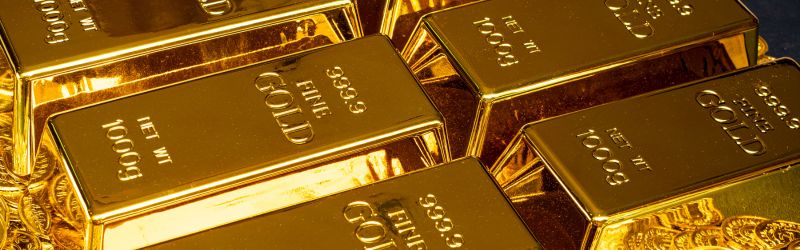
Gold, an enduring symbol of affluence and prosperity, has held humanity in awe for centuries. Its appeal goes beyond cultural significance; gold boasts intrinsic value within the intricate tapestry of the global economic landscape.
Have you ever pondered the worth of a substantial quantity, such as 250 pounds of gold, in today’s market?
Currently, in December 2024, the price of one troy ounce of gold is roughly $2,633. If you want the most up to date value check it out here.
For .999 fine physical gold bullion or any other precious metal, a pound translates to 14.583 troy ounces of gold or the equivalent amount in another precious metal. Understanding this metric is pivotal for those navigating the intricate dynamics of the precious metals market.
Therefore, to calculate how much 1 pound of gold is worth, you could multiply the current price of $2,633 by 14.583.
Then, multiply by 250 to get how much 250 pounds of gold is worth. Therefore, the current value of 250 pounds of gold is $9,599,260!
But the story doesn’t end there.
In this article, we will get into answering the question of “How Much is 250 Pounds of Gold Worth?” and other relevant pieces of information related to how gold is priced.
Understanding Gold Pricing
First, let’s talk about how gold is priced.
Gold pricing is a complex interplay of various factors that collectively determine its value in the global market.
As investors and enthusiasts seek to comprehend the dynamics behind the glittering metal’s worth, it’s essential to learn about the intricate web of economic, geopolitical, and market-related influences.
- Economic Conditions: One of the primary drivers of gold prices is the prevailing economic climate. During periods of economic uncertainty or recession, investors often flock to gold as a safe-haven asset. The inverse relationship between the value of the U.S. dollar and gold prices further accentuates this trend. In times of economic instability, gold tends to retain its value, providing a reliable store of wealth.
- Inflation Rates: Gold has historically been viewed as a hedge against inflation. When inflation rates rise, the purchasing power of currencies diminishes. Investors turn to gold to preserve their wealth as it generally maintains its value even as the cost of living increases. Understanding the correlation between gold prices and inflation rates is crucial for predicting its value in different economic scenarios.
- Geopolitical Events: Geopolitical events can have a profound impact on gold prices. Wars, political instability, and diplomatic tensions can drive investors to seek the safety of gold, leading to an uptick in demand and subsequently, prices. Monitoring global events and their potential impact on geopolitical stability is integral to gauging the trajectory of gold prices.
- Interest Rates: Interest rates play a pivotal role in shaping gold prices. Central banks’ decisions on interest rate adjustments can influence the opportunity cost of holding gold. When interest rates are low, the appeal of non-interest-bearing assets like gold increases, driving up demand and, consequently, prices. Conversely, higher interest rates may lead to a decrease in gold prices as alternative investments become more attractive.
Weight and Measurement in the Gold Market
Understanding how gold is measured and the significance of weight in the gold market is fundamental for anyone navigating the intricacies of gold trading.
The unique measurement standards and the sheer weight of large gold quantities, such as a pound, contribute to the precious metal’s allure and value.
Gold is typically measured in troy ounces, distinct from the more familiar avoirdupois ounces used for everyday items. One troy ounce is equivalent to approximately 31.1035 grams. This specialized measurement unit is crucial in the gold market, ensuring standardization and uniformity in transactions globally.
When we speak of a pound of gold, we’re referring to the troy pound, which is distinct from the avoirdupois pound. A troy pound consists of approximately 12 troy ounces. The weight is not merely a numerical value; it signifies a substantial quantity of gold with immense value.
This division allows for more granular transactions in the gold market. Investors often encounter prices per troy ounce when assessing the value of gold, making it essential to grasp the relationship between troy pounds and ounces for accurate valuation and comparison.
How to Convert Troy Ounces and Troy Pounds to Ounces and Pounds
Converting Troy ounces and Troy pounds to regular ounces and pounds is as follows:
- Troy Ounces to Regular Ounces:
- 1 Troy Ounce (ozt): Equals approximately 31.1035 grams.
- 1 Regular Ounce (oz): Equals about 28.3495 grams.
- To convert Troy ounces to regular ounces, multiply the troy ounces by the conversion factor of 1.09714 (28.3495 / 31.1035).
- Troy Pounds to Regular Pounds
- 1 Troy Pound (troy pound): Equals approximately 12 troy ounces.
- 1 Regular Pound (pound): Equals approximately 16 avoirdupois ounces.
- To convert Troy pounds to regular pounds, multiply the troy pounds by the conversion factor of 1.33 (12 / 16).
How Much is 250 Pounds of Gold Worth Today?
Currently, in March 2024, the price of one troy ounce of gold is roughly $2,050.
To calculate how much one pound of gold is worth, you multiply the current price of $2,050 per troy ounce by 14.583 troy ounces.
Then, multiply by 250 to get the value of 250 pounds.
Therefore, the current value of 250 pound of gold is $7,473,788!
Now that we’ve answered the question of how much is 250 pounds of gold worth, let’s look at how much gold has been worth throughout history.
How Much has Gold Been Worth Throughout History?
Gold, a timeless symbol of wealth, has seen notable variations in value throughout history.
Examining specific periods provides a glimpse into the diverse influences on gold’s worth.
1. Gold During Ancient Civilizations
In ancient civilizations, spanning cultures from Egypt to Mesopotamia, gold held unparalleled cultural and monetary significance. Revered for its lustrous beauty and rarity, gold became a symbol of divine power, adorning temples, tombs, and the regalia of rulers.
In Ancient Egypt, gold transcended its material worth. The pharaohs adorned themselves with intricate gold jewelry, and the precious metal played a vital role in burial rituals, symbolizing the eternal and divine. The exact value of a pound of gold in ancient Egypt is difficult to estimate, but its cultural and symbolic importance was immeasurable.
Mesopotamian civilizations, such as the Sumerians and Babylonians, prized gold for its aesthetic qualities and rarity. It was used to craft artifacts, including religious items and royal insignia. The value of a pound of gold in Mesopotamia would have been a symbol of immense wealth, influencing trade and diplomatic relations.
2. Gold in the Middle Ages
As trade routes expanded and economies underwent transformations during the Middle Ages, gold continued to assert itself as a symbol of wealth and power.
In the Byzantine Empire, gold coins like the solidus were a stable currency for centuries. One solidus contained around 24 pure karats of gold. While the exact value of a pound of gold in Byzantium is challenging to quantify, the stability and prevalence of gold in commerce elevated its importance.
The Middle Ages saw the flourishing of trade along the Silk Road, connecting East and West. Gold, used as both currency and commodity, played a pivotal role in this commerce. The value of a pound of gold during Silk Road exchanges would have been a marker of considerable economic influence.
3. Gold in the 1700s and 1800s
The 1700s and 1800s were transformative periods in the history of gold, marked by significant economic shifts, technological advancements, and major geopolitical events. The role of gold during these centuries evolved, influencing global trade, shaping monetary systems, and sparking pivotal moments such as gold rushes.
During the 1700s, the Spanish colonies in the Americas were prolific producers of gold. Mines in present-day Mexico and Peru yielded substantial quantities, contributing to the economic expansion of Spain and fueling the global circulation of gold. The immense wealth extracted from these colonies played a crucial role in financing European wars and supporting the mercantilist ambitions of empires.
As the 1700s progressed, various nations began minting gold coins, laying the foundation for the gold standard. These coins, often depicting powerful rulers or national symbols, became a tangible representation of a country’s economic strength. The British Gold Sovereign, introduced in 1817, and the U.S. Double Eagle, minted from 1849, exemplify this era’s commitment to using gold as a standard of value.
While it’s challenging to provide precise price estimates for gold in the 1700s and 1800s due to the lack of standardized records and the variety of currencies used during that time, historical accounts and some benchmarks can offer insights into the approximate values:
- Spanish America:
- During the 1700s, the Spanish colonies, particularly in Mexico and Peru, were major gold producers. The extracted gold was primarily used to mint coins like the Spanish doubloon. The value of gold in these coins fluctuated based on purity and weight. For instance, a Spanish doubloon, containing around 27 grams of gold, might have had a value equivalent to several months’ wages for an average worker.
- Gold Standard Era:
- In the early to mid-1800s, as the gold standard gained prominence, specific values were assigned to gold coins. For example, the British Gold Sovereign, introduced in 1817, had a face value of one pound. In the United States, the Double Eagle, introduced in 1849, had a face value of $20. These face values, however, do not necessarily reflect the market value, which could be influenced by factors like scarcity and demand.
- California Gold Rush:
- During the California Gold Rush (1848–1855), the sudden influx of gold into the market had significant effects. While the exact market price varied, gold prices surged as a result of increased supply. In the early 1850s, gold prices reached approximately $18 to $20 per troy ounce.
It’s important to note that these estimates are based on historical accounts, and the actual values and purchasing power of gold during these periods can be challenging to precisely determine. The absence of a standardized global currency system during these centuries adds complexity to estimating the historical values of gold.
4. Post-War Period and the Bretton Woods Agreement (1940s-1970s)
Following World War II, the global economy sought stability, leading to the establishment of the Bretton Woods Agreement in 1944. Under this agreement, major currencies were pegged to the U.S. dollar, and the U.S. dollar, in turn, was pegged to gold at the fixed rate of $35 per ounce. This linkage had a profound impact on the value of a pound of gold, equating to $1,120,000.
The Bretton Woods system brought a sense of stability to international monetary relations, as currencies were anchored to a tangible asset—gold. However, the fixed exchange rate faced challenges as economies recovered and global trade expanded. The demand for the U.S. dollar grew, putting pressure on gold reserves.
The early 1970s witnessed a paradigm shift as economic dynamics strained the fixed exchange rate system. In 1971, President Richard Nixon announced the suspension of the dollar’s convertibility into gold, effectively ending the Bretton Woods Agreement. This marked a turning point, introducing a new era characterized by floating exchange rates and increased volatility in gold prices.
5. The Late 20th Century (1970s-1999)
Amid economic uncertainties and geopolitical tensions, the late 20th century saw remarkable fluctuations in gold prices, reflecting the metal’s role as a hedge against uncertainty.
The 1970s witnessed a surge in gold prices driven by a combination of factors, including oil crises, inflationary pressures, and geopolitical unrest. By 1980, gold reached a historic peak of $850 per ounce, making a pound of gold worth an astonishing $27,280,000. This period underscored gold’s resilience as a store of value during turbulent times.
Subsequent decades experienced fluctuations influenced by events like the Gulf War and economic recessions. The Gulf War in the early 1990s, coupled with economic uncertainties, led to renewed interest in gold as a safe-haven asset. The fluctuating geopolitical landscape and varying economic conditions continued to shape the trajectory of gold prices throughout the late 20th century.
6. The New Millennium (2000s-present)
Entering the new millennium, gold regained prominence. In 2008, during the financial crisis, gold prices soared to over $1,000 per ounce, elevating the value of a pound of gold to approximately $32,150,000. The following years witnessed sustained interest in gold as a safe-haven asset amid economic uncertainties.
The following years witnessed sustained interest in gold as a safe-haven asset amid economic uncertainties, geopolitical tensions, and concerns about currency stability. The metal continued to serve as a valuable diversification tool in investment portfolios.
In 2020, the global COVID-19 pandemic triggered another remarkable surge in gold prices. As investors sought refuge in safe-haven assets, gold prices surpassed $2,000 per troy ounce. The value of a pound of gold reached unprecedented heights, emphasizing gold’s enduring role as a store of value and a hedge against economic uncertainties.
Below is a graphical representation of gold prices over the last 50 years, showcasing the dynamic nature of the precious metal market. Peaks and troughs in the graph reflect periods of economic prosperity, crises, and changing investment landscapes, influencing the value of a pound of gold.
Gold Price Over Time
source: tradingeconomics.com
Understanding the historical context and examining price trends provides valuable insights into the multifaceted nature of gold as an asset class. The graph serves as a visual aid to comprehend the market’s response to various economic and geopolitical events, allowing investors and enthusiasts to make informed decisions regarding the worth of significant gold holdings.
Can You Buy 250 Pounds of Gold?
The idea of purchasing 250 pounds of gold may seem like a fantasy reserved for the ultra-wealthy, but it’s a notion that unveils the practicalities and complexities of acquiring such a big quantity of this precious metal.
The first consideration revolves around the ever-changing price of gold. As of recent data, the price per troy ounce hovers around $2,000. This means that the cost of one pound of gold is in the range of $30,000, excluding additional expenses like taxes, transaction fees, and storage costs.
If you wanted to buy 250 pounds of gold, you would need $7,473,788!
While the global gold market is vast, acquiring a pounds of gold can be done online, but other times it might require negotiations with reputable dealers, banks, or mining companies.
Other considerations include:
- Storage Logistics: Owning a pound of gold poses logistical challenges, especially concerning storage. The sheer weight and volume require specialized facilities with stringent security measures. Factors like insurance, transportation, and storage fees must be meticulously addressed.
- Liquidity and Resale: While gold is a highly liquid asset, selling a pound of gold can be a complex process. Finding a buyer willing to purchase such a substantial quantity at the desired price may require time and negotiation skills.
In essence, while it’s possible to “buy 250 pounds of gold,” the practicalities involve navigating complex the financial landscape.
For the average individual, owning a pound of gold could be possible, but there are more factors to consider.
Final Thoughts
In wrapping up our article of “How Much is 250 Pounds of Gold Worth?” we’ve covered the historical, economic, and cultural aspects of this valuable metal. From its use in ancient times to the impact of gold rushes and the influences of geopolitical events, the value of 250 pounds of gold reflects the changes over time.
As we bridge the past and present, the question about the worth of 250 pounds of gold isn’t just about numbers; it’s about understanding the enduring importance of gold. It has consistently served as a symbol of wealth, stability, and a safeguard against uncertainties. Its significance persists, making it a valuable asset that spans centuries.
Hopefully this article has been interesting for you to learn about gold.
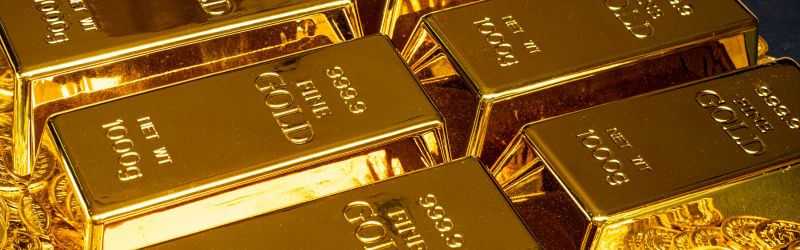
Gold, an enduring symbol of affluence and prosperity, has held humanity in awe for centuries. Its appeal goes beyond cultural significance; gold boasts intrinsic value within the intricate tapestry of the global economic landscape.
Have you ever pondered the worth of a substantial quantity, such as 120 pounds of gold, in today’s market?
Currently, in March 2024, the price of one troy ounce of gold is roughly $2,050.
For .999 fine physical gold bullion or any other precious metal, a pound translates to 14.583 troy ounces of gold or the equivalent amount in another precious metal. Understanding this metric is pivotal for those navigating the intricate dynamics of the precious metals market.
Therefore, to calculate how much 1 pound of gold is worth, you could multiply the current price of $2,050 by 14.583.
Then, multiply by 120 to get how much 120 pounds of gold is worth. Therefore, the current value of 120 pounds of gold is $3,587,418!
But the story doesn’t end there.
In this article, we will get into answering the question of “How Much is 120 Pounds of Gold Worth?” and other relevant pieces of information related to how gold is priced.
Understanding Gold Pricing
First, let’s talk about how gold is priced.
Gold pricing is a complex interplay of various factors that collectively determine its value in the global market.
As investors and enthusiasts seek to comprehend the dynamics behind the glittering metal’s worth, it’s essential to learn about the intricate web of economic, geopolitical, and market-related influences.
- Economic Conditions: One of the primary drivers of gold prices is the prevailing economic climate. During periods of economic uncertainty or recession, investors often flock to gold as a safe-haven asset. The inverse relationship between the value of the U.S. dollar and gold prices further accentuates this trend. In times of economic instability, gold tends to retain its value, providing a reliable store of wealth.
- Inflation Rates: Gold has historically been viewed as a hedge against inflation. When inflation rates rise, the purchasing power of currencies diminishes. Investors turn to gold to preserve their wealth as it generally maintains its value even as the cost of living increases. Understanding the correlation between gold prices and inflation rates is crucial for predicting its value in different economic scenarios.
- Geopolitical Events: Geopolitical events can have a profound impact on gold prices. Wars, political instability, and diplomatic tensions can drive investors to seek the safety of gold, leading to an uptick in demand and subsequently, prices. Monitoring global events and their potential impact on geopolitical stability is integral to gauging the trajectory of gold prices.
- Interest Rates: Interest rates play a pivotal role in shaping gold prices. Central banks’ decisions on interest rate adjustments can influence the opportunity cost of holding gold. When interest rates are low, the appeal of non-interest-bearing assets like gold increases, driving up demand and, consequently, prices. Conversely, higher interest rates may lead to a decrease in gold prices as alternative investments become more attractive.
Weight and Measurement in the Gold Market
Understanding how gold is measured and the significance of weight in the gold market is fundamental for anyone navigating the intricacies of gold trading.
The unique measurement standards and the sheer weight of large gold quantities, such as a pound, contribute to the precious metal’s allure and value.
Gold is typically measured in troy ounces, distinct from the more familiar avoirdupois ounces used for everyday items. One troy ounce is equivalent to approximately 31.1035 grams. This specialized measurement unit is crucial in the gold market, ensuring standardization and uniformity in transactions globally.
When we speak of a pound of gold, we’re referring to the troy pound, which is distinct from the avoirdupois pound. A troy pound consists of approximately 12 troy ounces. The weight is not merely a numerical value; it signifies a substantial quantity of gold with immense value.
This division allows for more granular transactions in the gold market. Investors often encounter prices per troy ounce when assessing the value of gold, making it essential to grasp the relationship between troy pounds and ounces for accurate valuation and comparison.
How to Convert Troy Ounces and Troy Pounds to Ounces and Pounds
Converting Troy ounces and Troy pounds to regular ounces and pounds is as follows:
- Troy Ounces to Regular Ounces:
- 1 Troy Ounce (ozt): Equals approximately 31.1035 grams.
- 1 Regular Ounce (oz): Equals about 28.3495 grams.
- To convert Troy ounces to regular ounces, multiply the troy ounces by the conversion factor of 1.09714 (28.3495 / 31.1035).
- Troy Pounds to Regular Pounds
- 1 Troy Pound (troy pound): Equals approximately 12 troy ounces.
- 1 Regular Pound (pound): Equals approximately 16 avoirdupois ounces.
- To convert Troy pounds to regular pounds, multiply the troy pounds by the conversion factor of 1.33 (12 / 16).
How Much is 120 Pounds of Gold Worth Today?
Currently, in March 2024, the price of one troy ounce of gold is roughly $2,050.
To calculate how much one pound of gold is worth, you multiply the current price of $2,050 per troy ounce by 14.583 troy ounces.
Then, multiply by 120 to get the value of 120 pounds.
Therefore, the current value of 120 pound of gold is $3,587,418!
Now that we’ve answered the question of how much is 120 pounds of gold worth, let’s look at how much gold has been worth throughout history.
How Much has Gold Been Worth Throughout History?
Gold, a timeless symbol of wealth, has seen notable variations in value throughout history.
Examining specific periods provides a glimpse into the diverse influences on gold’s worth.
1. Gold During Ancient Civilizations
In ancient civilizations, spanning cultures from Egypt to Mesopotamia, gold held unparalleled cultural and monetary significance. Revered for its lustrous beauty and rarity, gold became a symbol of divine power, adorning temples, tombs, and the regalia of rulers.
In Ancient Egypt, gold transcended its material worth. The pharaohs adorned themselves with intricate gold jewelry, and the precious metal played a vital role in burial rituals, symbolizing the eternal and divine. The exact value of a pound of gold in ancient Egypt is difficult to estimate, but its cultural and symbolic importance was immeasurable.
Mesopotamian civilizations, such as the Sumerians and Babylonians, prized gold for its aesthetic qualities and rarity. It was used to craft artifacts, including religious items and royal insignia. The value of a pound of gold in Mesopotamia would have been a symbol of immense wealth, influencing trade and diplomatic relations.
2. Gold in the Middle Ages
As trade routes expanded and economies underwent transformations during the Middle Ages, gold continued to assert itself as a symbol of wealth and power.
In the Byzantine Empire, gold coins like the solidus were a stable currency for centuries. One solidus contained around 24 pure karats of gold. While the exact value of a pound of gold in Byzantium is challenging to quantify, the stability and prevalence of gold in commerce elevated its importance.
The Middle Ages saw the flourishing of trade along the Silk Road, connecting East and West. Gold, used as both currency and commodity, played a pivotal role in this commerce. The value of a pound of gold during Silk Road exchanges would have been a marker of considerable economic influence.
3. Gold in the 1700s and 1800s
The 1700s and 1800s were transformative periods in the history of gold, marked by significant economic shifts, technological advancements, and major geopolitical events. The role of gold during these centuries evolved, influencing global trade, shaping monetary systems, and sparking pivotal moments such as gold rushes.
During the 1700s, the Spanish colonies in the Americas were prolific producers of gold. Mines in present-day Mexico and Peru yielded substantial quantities, contributing to the economic expansion of Spain and fueling the global circulation of gold. The immense wealth extracted from these colonies played a crucial role in financing European wars and supporting the mercantilist ambitions of empires.
As the 1700s progressed, various nations began minting gold coins, laying the foundation for the gold standard. These coins, often depicting powerful rulers or national symbols, became a tangible representation of a country’s economic strength. The British Gold Sovereign, introduced in 1817, and the U.S. Double Eagle, minted from 1849, exemplify this era’s commitment to using gold as a standard of value.
While it’s challenging to provide precise price estimates for gold in the 1700s and 1800s due to the lack of standardized records and the variety of currencies used during that time, historical accounts and some benchmarks can offer insights into the approximate values:
- Spanish America:
- During the 1700s, the Spanish colonies, particularly in Mexico and Peru, were major gold producers. The extracted gold was primarily used to mint coins like the Spanish doubloon. The value of gold in these coins fluctuated based on purity and weight. For instance, a Spanish doubloon, containing around 27 grams of gold, might have had a value equivalent to several months’ wages for an average worker.
- Gold Standard Era:
- In the early to mid-1800s, as the gold standard gained prominence, specific values were assigned to gold coins. For example, the British Gold Sovereign, introduced in 1817, had a face value of one pound. In the United States, the Double Eagle, introduced in 1849, had a face value of $20. These face values, however, do not necessarily reflect the market value, which could be influenced by factors like scarcity and demand.
- California Gold Rush:
- During the California Gold Rush (1848–1855), the sudden influx of gold into the market had significant effects. While the exact market price varied, gold prices surged as a result of increased supply. In the early 1850s, gold prices reached approximately $18 to $20 per troy ounce.
It’s important to note that these estimates are based on historical accounts, and the actual values and purchasing power of gold during these periods can be challenging to precisely determine. The absence of a standardized global currency system during these centuries adds complexity to estimating the historical values of gold.
4. Post-War Period and the Bretton Woods Agreement (1940s-1970s)
Following World War II, the global economy sought stability, leading to the establishment of the Bretton Woods Agreement in 1944. Under this agreement, major currencies were pegged to the U.S. dollar, and the U.S. dollar, in turn, was pegged to gold at the fixed rate of $35 per ounce. This linkage had a profound impact on the value of a pound of gold, equating to $1,120,000.
The Bretton Woods system brought a sense of stability to international monetary relations, as currencies were anchored to a tangible asset—gold. However, the fixed exchange rate faced challenges as economies recovered and global trade expanded. The demand for the U.S. dollar grew, putting pressure on gold reserves.
The early 1970s witnessed a paradigm shift as economic dynamics strained the fixed exchange rate system. In 1971, President Richard Nixon announced the suspension of the dollar’s convertibility into gold, effectively ending the Bretton Woods Agreement. This marked a turning point, introducing a new era characterized by floating exchange rates and increased volatility in gold prices.
5. The Late 20th Century (1970s-1999)
Amid economic uncertainties and geopolitical tensions, the late 20th century saw remarkable fluctuations in gold prices, reflecting the metal’s role as a hedge against uncertainty.
The 1970s witnessed a surge in gold prices driven by a combination of factors, including oil crises, inflationary pressures, and geopolitical unrest. By 1980, gold reached a historic peak of $850 per ounce, making a pound of gold worth an astonishing $27,280,000. This period underscored gold’s resilience as a store of value during turbulent times.
Subsequent decades experienced fluctuations influenced by events like the Gulf War and economic recessions. The Gulf War in the early 1990s, coupled with economic uncertainties, led to renewed interest in gold as a safe-haven asset. The fluctuating geopolitical landscape and varying economic conditions continued to shape the trajectory of gold prices throughout the late 20th century.
6. The New Millennium (2000s-present)
Entering the new millennium, gold regained prominence. In 2008, during the financial crisis, gold prices soared to over $1,000 per ounce, elevating the value of a pound of gold to approximately $32,150,000. The following years witnessed sustained interest in gold as a safe-haven asset amid economic uncertainties.
The following years witnessed sustained interest in gold as a safe-haven asset amid economic uncertainties, geopolitical tensions, and concerns about currency stability. The metal continued to serve as a valuable diversification tool in investment portfolios.
In 2020, the global COVID-19 pandemic triggered another remarkable surge in gold prices. As investors sought refuge in safe-haven assets, gold prices surpassed $2,000 per troy ounce. The value of a pound of gold reached unprecedented heights, emphasizing gold’s enduring role as a store of value and a hedge against economic uncertainties.
Below is a graphical representation of gold prices over the last 50 years, showcasing the dynamic nature of the precious metal market. Peaks and troughs in the graph reflect periods of economic prosperity, crises, and changing investment landscapes, influencing the value of a pound of gold.
Gold Price Over Time
source: tradingeconomics.com
Understanding the historical context and examining price trends provides valuable insights into the multifaceted nature of gold as an asset class. The graph serves as a visual aid to comprehend the market’s response to various economic and geopolitical events, allowing investors and enthusiasts to make informed decisions regarding the worth of significant gold holdings.
Can You Buy 120 Pounds of Gold?
The idea of purchasing 120 pounds of gold may seem like a fantasy reserved for the ultra-wealthy, but it’s a notion that unveils the practicalities and complexities of acquiring such a big quantity of this precious metal.
The first consideration revolves around the ever-changing price of gold. As of recent data, the price per troy ounce hovers around $2,000. This means that the cost of one pound of gold is in the range of $30,000, excluding additional expenses like taxes, transaction fees, and storage costs.
If you wanted to buy 120 pounds of gold, you would need $3,587,418!
While the global gold market is vast, acquiring a pounds of gold can be done online, but other times it might require negotiations with reputable dealers, banks, or mining companies.
Other considerations include:
- Storage Logistics: Owning a pound of gold poses logistical challenges, especially concerning storage. The sheer weight and volume require specialized facilities with stringent security measures. Factors like insurance, transportation, and storage fees must be meticulously addressed.
- Liquidity and Resale: While gold is a highly liquid asset, selling a pound of gold can be a complex process. Finding a buyer willing to purchase such a substantial quantity at the desired price may require time and negotiation skills.
In essence, while it’s possible to “buy 120 pounds of gold,” the practicalities involve navigating complex the financial landscape.
For the average individual, owning a pound of gold could be possible, but there are more factors to consider.
Final Thoughts
In wrapping up our article of “How Much is 120 Pounds of Gold Worth?” we’ve covered the historical, economic, and cultural aspects of this valuable metal. From its use in ancient times to the impact of gold rushes and the influences of geopolitical events, the value of 120 pounds of gold reflects the changes over time.
As we bridge the past and present, the question about the worth of 120 pounds of gold isn’t just about numbers; it’s about understanding the enduring importance of gold. It has consistently served as a symbol of wealth, stability, and a safeguard against uncertainties. Its significance persists, making it a valuable asset that spans centuries.
Hopefully this article has been interesting for you to learn about gold.
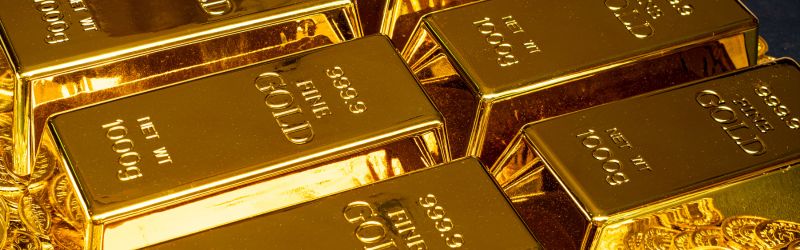
Gold, an enduring symbol of affluence and prosperity, has held humanity in awe for centuries. Its appeal goes beyond cultural significance; gold boasts intrinsic value within the intricate tapestry of the global economic landscape.
Have you ever pondered the worth of a substantial quantity, such as 12 tons of gold, in today’s market?
Currently, in March 2024, the price of one troy ounce of gold is roughly $2,050.
When hearing about physical gold movements and the escalating procurement of gold bullion by governments, you’ll frequently encounter terms like “gold ton” or “gold tonne.”
In the world of precious physical metals, a ton specifically refers to a metric tonne. For .999 fine physical gold bullion or any other precious metal, a metric tonne precisely translates to 32,150.7 troy ounces of gold or the equivalent amount in another precious metal. Understanding this metric is pivotal for those navigating the intricate dynamics of the precious metals market.
Therefore, to calculate how much 1 ton of gold is worth, you could multiply the current price of $2,050 by 32,150.7.
Then, multiply by 12 to get how much 12 tons of gold is worth. Therefore, the current value of 12 tons of gold is $790,907,220!
But the story doesn’t end there.
In this article, we will get into answering the question of “How Much is 12 Tons of Gold Worth?” and other relevant pieces of information related to how gold is priced.
Understanding Gold Pricing
First, let’s talk about how gold is priced.
Gold pricing is a complex interplay of various factors that collectively determine its value in the global market.
As investors and enthusiasts seek to comprehend the dynamics behind the glittering metal’s worth, it’s essential to learn about the intricate web of economic, geopolitical, and market-related influences.
- Economic Conditions: One of the primary drivers of gold prices is the prevailing economic climate. During periods of economic uncertainty or recession, investors often flock to gold as a safe-haven asset. The inverse relationship between the value of the U.S. dollar and gold prices further accentuates this trend. In times of economic instability, gold tends to retain its value, providing a reliable store of wealth.
- Inflation Rates: Gold has historically been viewed as a hedge against inflation. When inflation rates rise, the purchasing power of currencies diminishes. Investors turn to gold to preserve their wealth as it generally maintains its value even as the cost of living increases. Understanding the correlation between gold prices and inflation rates is crucial for predicting its value in different economic scenarios.
- Geopolitical Events: Geopolitical events can have a profound impact on gold prices. Wars, political instability, and diplomatic tensions can drive investors to seek the safety of gold, leading to an uptick in demand and subsequently, prices. Monitoring global events and their potential impact on geopolitical stability is integral to gauging the trajectory of gold prices.
- Interest Rates: Interest rates play a pivotal role in shaping gold prices. Central banks’ decisions on interest rate adjustments can influence the opportunity cost of holding gold. When interest rates are low, the appeal of non-interest-bearing assets like gold increases, driving up demand and, consequently, prices. Conversely, higher interest rates may lead to a decrease in gold prices as alternative investments become more attractive.
Weight and Measurement in the Gold Market
Understanding how gold is measured and the significance of weight in the gold market is fundamental for anyone navigating the intricacies of gold trading.
The unique measurement standards and the sheer weight of large gold quantities, such as a ton, contribute to the precious metal’s allure and value.
Gold is typically measured in troy ounces, distinct from the more familiar avoirdupois ounces used for everyday items. One troy ounce is equivalent to approximately 31.1035 grams. This specialized measurement unit is crucial in the gold market, ensuring standardization and uniformity in transactions globally.
When we speak of a ton of gold, we’re referring to the troy ton, which is distinct from the avoirdupois ton. A troy ton consists of approximately 32,150 troy ounces. The weight is not merely a numerical value; it signifies a substantial quantity of gold with immense value.
This division allows for more granular transactions in the gold market. Investors often encounter prices per troy ounce when assessing the value of gold, making it essential to grasp the relationship between troy pounds and ounces for accurate valuation and comparison.
How to Convert Troy Ounces and Troy Tons to Ounces and Tons
Converting troy ounces and troy tons to regular ounces and tons is as follows:
- Troy Ounces to Regular Ounces:
- 1 Troy Ounce (ozt): Equals approximately 31.1035 grams.
- 1 Regular Ounce (oz): Equals about 28.3495 grams.
- To convert troy ounces to regular ounces, multiply the troy ounces by the conversion factor of 1.09714 (28.3495 / 31.1035).
- Troy Tons to Regular Tons
- 1 Troy Ton (troy ton): Equals approximately 32,150 troy ounces.
- 1 Regular Ton (ton): Equals approximately 32,000 avoirdupois ounces.
- To convert Troy tons to regular tons, multiply the troy tons by the conversion factor of 0.907.
How Much is 12 Tons of Gold Worth Today?
Currently, in March 2024, the price of one troy ounce of gold is roughly $2,050.
To calculate how much one ton of gold is worth, you multiply the current price of $2,050 per troy ounce by 32,150.7 troy ounces.
Then, multiply by 12 to get the value of 12 tons.
Therefore, the current value of 12 ton of gold is $790,907,220!
Now that we’ve answered the question of how much is 12 ton of gold worth, let’s look at how much gold has been worth throughout history.
How Much has Gold Been Worth Throughout History?
Gold, a timeless symbol of wealth, has seen notable variations in value throughout history.
Examining specific periods provides a glimpse into the diverse influences on gold’s worth.
1. Gold During Ancient Civilizations
In ancient civilizations, spanning cultures from Egypt to Mesopotamia, gold held unparalleled cultural and monetary significance. Revered for its lustrous beauty and rarity, gold became a symbol of divine power, adorning temples, tombs, and the regalia of rulers.
In Ancient Egypt, gold transcended its material worth. The pharaohs adorned themselves with intricate gold jewelry, and the precious metal played a vital role in burial rituals, symbolizing the eternal and divine. The exact value of a ton of gold in ancient Egypt is difficult to estimate, but its cultural and symbolic importance was immeasurable.
Mesopotamian civilizations, such as the Sumerians and Babylonians, prized gold for its aesthetic qualities and rarity. It was used to craft artifacts, including religious items and royal insignia. The value of a ton of gold in Mesopotamia would have been a symbol of immense wealth, influencing trade and diplomatic relations.
2. Gold in the Middle Ages
As trade routes expanded and economies underwent transformations during the Middle Ages, gold continued to assert itself as a symbol of wealth and power.
In the Byzantine Empire, gold coins like the solidus were a stable currency for centuries. One solidus contained around 24 pure karats of gold. While the exact value of a ton of gold in Byzantium is challenging to quantify, the stability and prevalence of gold in commerce elevated its importance.
The Middle Ages saw the flourishing of trade along the Silk Road, connecting East and West. Gold, used as both currency and commodity, played a pivotal role in this commerce. The value of a ton of gold during Silk Road exchanges would have been a marker of considerable economic influence.
3. Gold in the 1700s and 1800s
The 1700s and 1800s were transformative periods in the history of gold, marked by significant economic shifts, technological advancements, and major geopolitical events. The role of gold during these centuries evolved, influencing global trade, shaping monetary systems, and sparking pivotal moments such as gold rushes.
During the 1700s, the Spanish colonies in the Americas were prolific producers of gold. Mines in present-day Mexico and Peru yielded substantial quantities, contributing to the economic expansion of Spain and fueling the global circulation of gold. The immense wealth extracted from these colonies played a crucial role in financing European wars and supporting the mercantilist ambitions of empires.
As the 1700s progressed, various nations began minting gold coins, laying the foundation for the gold standard. These coins, often depicting powerful rulers or national symbols, became a tangible representation of a country’s economic strength. The British Gold Sovereign, introduced in 1817, and the U.S. Double Eagle, minted from 1849, exemplify this era’s commitment to using gold as a standard of value.
While it’s challenging to provide precise price estimates for gold in the 1700s and 1800s due to the lack of standardized records and the variety of currencies used during that time, historical accounts and some benchmarks can offer insights into the approximate values:
- Spanish America:
- During the 1700s, the Spanish colonies, particularly in Mexico and Peru, were major gold producers. The extracted gold was primarily used to mint coins like the Spanish doubloon. The value of gold in these coins fluctuated based on purity and weight. For instance, a Spanish doubloon, containing around 27 grams of gold, might have had a value equivalent to several months’ wages for an average worker.
- Gold Standard Era:
- In the early to mid-1800s, as the gold standard gained prominence, specific values were assigned to gold coins. For example, the British Gold Sovereign, introduced in 1817, had a face value of one pound. In the United States, the Double Eagle, introduced in 1849, had a face value of $20. These face values, however, do not necessarily reflect the market value, which could be influenced by factors like scarcity and demand.
- California Gold Rush:
- During the California Gold Rush (1848–1855), the sudden influx of gold into the market had significant effects. While the exact market price varied, gold prices surged as a result of increased supply. In the early 1850s, gold prices reached approximately $18 to $20 per troy ounce.
It’s important to note that these estimates are based on historical accounts, and the actual values and purchasing power of gold during these periods can be challenging to precisely determine. The absence of a standardized global currency system during these centuries adds complexity to estimating the historical values of gold.
4. Post-War Period and the Bretton Woods Agreement (1940s-1970s)
Following World War II, the global economy sought stability, leading to the establishment of the Bretton Woods Agreement in 1944. Under this agreement, major currencies were pegged to the U.S. dollar, and the U.S. dollar, in turn, was pegged to gold at the fixed rate of $35 per ounce. This linkage had a profound impact on the value of a ton of gold, equating to $1,120,000.
The Bretton Woods system brought a sense of stability to international monetary relations, as currencies were anchored to a tangible asset—gold. However, the fixed exchange rate faced challenges as economies recovered and global trade expanded. The demand for the U.S. dollar grew, putting pressure on gold reserves.
The early 1970s witnessed a paradigm shift as economic dynamics strained the fixed exchange rate system. In 1971, President Richard Nixon announced the suspension of the dollar’s convertibility into gold, effectively ending the Bretton Woods Agreement. This marked a turning point, introducing a new era characterized by floating exchange rates and increased volatility in gold prices.
5. The Late 20th Century (1970s-1999)
Amid economic uncertainties and geopolitical tensions, the late 20th century saw remarkable fluctuations in gold prices, reflecting the metal’s role as a hedge against uncertainty.
The 1970s witnessed a surge in gold prices driven by a combination of factors, including oil crises, inflationary pressures, and geopolitical unrest. By 1980, gold reached a historic peak of $850 per ounce, making a ton of gold worth an astonishing $27,280,000. This period underscored gold’s resilience as a store of value during turbulent times.
Subsequent decades experienced fluctuations influenced by events like the Gulf War and economic recessions. The Gulf War in the early 1990s, coupled with economic uncertainties, led to renewed interest in gold as a safe-haven asset. The fluctuating geopolitical landscape and varying economic conditions continued to shape the trajectory of gold prices throughout the late 20th century.
6. The New Millennium (2000s-present)
Entering the new millennium, gold regained prominence. In 2008, during the financial crisis, gold prices soared to over $1,000 per ounce, elevating the value of a ton of gold to approximately $32,150,000. The following years witnessed sustained interest in gold as a safe-haven asset amid economic uncertainties.
The following years witnessed sustained interest in gold as a safe-haven asset amid economic uncertainties, geopolitical tensions, and concerns about currency stability. The metal continued to serve as a valuable diversification tool in investment portfolios.
In 2020, the global COVID-19 pandemic triggered another remarkable surge in gold prices. As investors sought refuge in safe-haven assets, gold prices surpassed $2,000 per troy ounce. The value of a ton of gold reached unprecedented heights, emphasizing gold’s enduring role as a store of value and a hedge against economic uncertainties.
Below is a graphical representation of gold prices over the last 50 years, showcasing the dynamic nature of the precious metal market. Peaks and troughs in the graph reflect periods of economic prosperity, crises, and changing investment landscapes, influencing the value of a ton of gold.
Gold Price Over Time
source: tradingeconomics.com
Understanding the historical context and examining price trends provides valuable insights into the multifaceted nature of gold as an asset class. The graph serves as a visual aid to comprehend the market’s response to various economic and geopolitical events, allowing investors and enthusiasts to make informed decisions regarding the worth of significant gold holdings.
Can You Buy 12 Tons of Gold?
The idea of purchasing 12 tons of gold may seem like a fantasy reserved for the ultra-wealthy, but it’s a notion that unveils the practicalities and complexities of acquiring such a massive quantity of this precious metal.
The first consideration revolves around the ever-changing price of gold. As of recent data, the price per troy ounce hovers around $2,000. This means that the cost of one ton of gold is in the range of $64,000,000, excluding additional expenses like taxes, transaction fees, and storage costs.
If you wanted to buy 12 tons of gold, you would need $790,907,220!
While the global gold market is vast, acquiring a ton of gold isn’t as simple as placing an order online. Large-scale transactions involve negotiations with reputable dealers, banks, or mining companies. The sourcing process must adhere to legal and ethical standards, considering factors such as the origin of the gold and adherence to responsible mining practices.
Other considerations include:
- Storage Logistics: Owning a ton of gold poses logistical challenges, especially concerning storage. The sheer weight and volume require specialized facilities with stringent security measures. Factors like insurance, transportation, and storage fees must be meticulously addressed.
- Liquidity and Resale: While gold is a highly liquid asset, selling a ton of gold can be a complex process. Finding a buyer willing to purchase such a substantial quantity at the desired price may require time and negotiation skills.
In essence, while it’s technically possible to “buy 12 tons of gold,” the practicalities involve navigating complex financial landscapes, adhering to legal and ethical standards, and considering the economic impact of such substantial transactions.
For the average individual, owning a ton of gold remains a distant aspiration, reserved for institutional players and central banks operating at the pinnacle of the global economic stage.
Final Thoughts
In wrapping up our article of “How Much is 12 Tons of Gold Worth?” we’ve covered the historical, economic, and cultural aspects of this valuable metal. From its use in ancient times to the impact of gold rushes and the influences of geopolitical events, the value of 12 tons of gold reflects the changes over time.
As we bridge the past and present, the question about the worth of 12 tons of gold isn’t just about numbers; it’s about understanding the enduring importance of gold. It has consistently served as a symbol of wealth, stability, and a safeguard against uncertainties. Its significance persists, making it a valuable asset that spans centuries.
Hopefully this article has been interesting for you to learn about gold.

In a world where financial stability often seems like an elusive dream, learning how to navigate the complexities of budgeting becomes an invaluable skill, especially when faced with a modest income. For many, a $60,000 salary may present unique challenges, requiring a strategic and mindful approach to personal finances.
In this article, we’ll explore practical tips and proven strategies to not only survive but thrive on a $60k salary.
From understanding the fundamentals of budgeting to making intentional financial decisions, this article aims to empower individuals with the tools they need to achieve financial success, regardless of their income constraints.
So, whether you’re just starting your career, experiencing a transition, or simply looking to make the most of your earnings, join us on this journey as we unlock the secrets to effective budgeting on a $60,000 annual income.
Understanding Your Income
Before diving into budgeting and the strategies of budgeting, it’s essential to understand the components of your $60k salary that shape your financial situation.
Differentiating between gross and net income is a foundational step. Gross income represents earnings before deductions, while net income is what lands in your account after taxes and payroll deductions.
For instance, if your annual gross income is $60,000 with deductions totaling $5,000, your net income—available for budgeting—would be $55,000. This distinction provides clarity for constructing a realistic budget.
Understanding your taxes is equally crucial. You should have an understanding of the tax brackets and deductions linked to your $60,000 salary. For instance, if you fall within a 15% income tax bracket, $9,000 of your gross income is directed towards income tax, reducing your disposable income. Beyond income tax, examine other deductions like healthcare contributions and retirement savings, directly impacting your take-home pay.
For those with variable income components such as commissions, bonuses, or overtime in their $50k salary, understanding their variability is vital. Including an average or conservative estimate of these variable components in your budget ensures financial stability, particularly during months with lower additional income.
Similarly, if your income is irregular due to freelancing, part-time work, or seasonal employment, strategizing for leaner months becomes crucial. Establishing a baseline budget and creating an emergency fund can help smooth financial fluctuations, providing stability in unpredictable income situations.
Understanding these income nuances gives you with the knowledge needed to develop effective budgeting strategies aligned with your financial reality.
Next, let’s move on to setting financial goals – if you don’t know where you want to go, then it’s impossible to get there!
Setting Financial Goals
Setting financial goals is a crucial step in securing a stable and healthy financial future. While some may view financial planning as a barrier to enjoying the present, the truth is that planning is as essential as fulfilling basic needs. To achieve a robust financial life, understanding where to start and how to prioritize goals is paramount.
A significant challenge lies in the fact that many Americans set financial goals at the beginning of the year, yet only 18% successfully achieve them. The primary reason behind this low success rate is often a lack of clarity regarding which goals to prioritize and the strategies to achieve them.
Financial goals can be broadly categorized into short-term, mid-term, and long-term objectives:
- Short-term goals involve immediate or near-future plans, such as renovating a home, replacing a thermostat, or planning a vacation. These goals typically require relatively quick financial adjustments and yield results within a shorter timeframe.
- Mid-term financial goals encompass objectives that may take a few years to accomplish. Examples include purchasing a car or paying off debts, such as credit card balances, student loans, or payday loans. The time horizon for these goals is intermediate, necessitating a more sustained and disciplined approach to financial planning.
- Finally, long-term financial goals extend over a more extended period, often spanning decades. Acquiring a dream home, building a substantial retirement fund, investing money, or saving for a child’s education are examples of long-term goals. Achieving these objectives demands consistent dedication and a strategic, forward-thinking approach to financial planning.
To increase the likelihood of success, it is essential to clearly define each goal, allocate realistic timeframes, and develop a tangible plan outlining specific steps and milestones.
For example, a goal could be that you want to save $10,000 in 6 months and you are going to do that by saving $1,667 a month by cutting out X, Y, and Z expenses.
Another example goal could be that you are going to start saving $100 for retirement each month into an IRA.
One other example could be if you want to buy a house. First, you should figure out how much house you can afford if you earn $60,000. Then, you can start to plan for the down payment.
By understanding the nature of short, mid, and long-term financial goals, individuals can tailor their financial planning strategies to align with their aspirations and improve their chances of successful goal attainment.
Now that we’ve talked about setting financial goals, let’s get into budgeting.
What is Budgeting and Why is Budgeting Important?
Budgeting is the process of creating a financial plan that outlines your income, expenses, and savings goals. It provides a structured way to manage your money, ensuring that you allocate funds for essential needs while also prioritizing saving for the future.
Budgeting isn’t just about limiting spending—it’s a tool that empowers you to make your money work for you.
By strategically allocating your funds, a well-crafted budget serves as a roadmap toward your financial aspirations. It not only gives you control over your finances but also enables you to achieve your goals and secure your future.
Without a budget, it’s easy to overspend and find yourself in financial stress. However, implementing a budget brings a multitude of benefits that can transform your financial well-being.
Overview of Budgeting Strategies
Budgeting is a dynamic process, and there are various strategies you can adopt to manage your finances effectively.
Let’s dive into these strategies with examples for each:
- The 50/30/20 Rule: The 50/30/20 rule offers a simple and flexible framework for budgeting. Allocate 50% of your income to needs, such as housing and utilities, 30% to wants, like entertainment and dining out, and 20% to debt repayment and savings. This method ensures a balance between enjoying your life today while working towards a debt-free future.
- Zero-Based Budgeting: Zero-based budgeting involves assigning every dollar of your income a specific purpose, ensuring that your income minus expenses equals zero. This approach encourages thorough planning and eliminates any surplus funds that might otherwise be spent impulsively. It’s an effective method to optimize your budget and prioritize debt repayment.
- Envelope System: The envelope system is a cash-based budgeting strategy. Allocate specific amounts of cash to envelopes labeled with different expense categories, such as groceries, entertainment, and transportation. Once an envelope is empty, you’ve exhausted that budget category for the month. This system promotes mindful spending and helps you avoid overspending.
- Value-Based Budgeting: Value-based budgeting centers around aligning your spending with your core values and long-term goals. Identify what truly matters to you and allocate your funds accordingly. This approach ensures that your spending reflects your priorities, making it easier to cut back on non-essential expenses and direct more funds towards debt repayment.
- 80/20 Budget: The 80/20 budget, also known as the “Pay Yourself First” strategy, involves allocating 20% of your income to financial goals, such as debt repayment and savings, while using the remaining 80% for expenses. By prioritizing your financial goals, you create a structured approach to debt reduction and wealth-building.
- The Reverse Budget: In the reverse budget method, you first allocate a portion of your income to debt repayment and savings before covering other expenses. This flips the traditional budgeting model, ensuring that your financial goals are met right at the beginning of your budgeting period.
Depending on your preference, you can tailor your approach to match your financial goals and priorities, ultimately helping you make the most of your income while building a secure financial future.
Next, let’s take a look at a sample budget for someone with a $30,000 salary.
Sample Budget for $60k Salary
Budgeting is an important financial planning tool that helps you manage your income and expenses effectively.
Here’s a sample budget for a $60,000 annual salary.
Remember that individual financial situations vary, so you may need to adjust this budget to suit your specific needs and goals.
Monthly After-Tax Income:
- Salary after Taxes: Approximately xxxxxAfterTaxSalaryxxxxx (This is a rough estimate after assuming a xxxxxTaxRatexxxxx% tax rate)
Monthly Expenses:
- Housing:
- Rent/Mortgage: xxxxxRentxxxxx
- Utilities (electricity, water, gas, internet, etc.): xxxxxUtilitiesxxxxx
- Transportation:
- Car Payment: xxxxxCarxxxxx
- Gas: xxxxxGasxxxxx
- Maintenance and Repairs: xxxxxMaintenancexxxxx
- Car Insurance: xxxxxInsurancexxxxx
- Groceries and Dining:
- Groceries: xxxxxGroceriesxxxxx
- Dining out (restaurants, takeout, etc.): xxxxxDiningxxxxx
- Healthcare:
- Health Insurance Premiums: xxxxxHealthxxxxx
- Medical Expenses (co-pays, prescriptions, etc.): xxxxxMedicalxxxxx
- Savings and Investments:
- Retirement Savings (e.g., 401(k) or IRA): xxxxxRetirementxxxxx
- Emergency Fund: xxxxxEmergencyxxxxx
- Other Investments or Savings Goals: xxxxxInvestmentsxxxxx
- Entertainment and Recreation:
- Cable/Streaming Services: $50
- Hobbies and Entertainment: xxxxxHobbiesxxxxx
Total Monthly Expenses: xxxxxMonthlyExpensesxxxxx
Remaining Income after Expenses: xxxxxDiscretionaryxxxxx
With this budget, you have approximately xxxxxDiscretionaryxxxxx per month for discretionary income, saving for future goals, or additional investments. Be sure to keep track of your actual expenses and adjust your budget as necessary to ensure you’re on track to meet your financial objectives and maintain a healthy financial situation.
Remember, this budget is a general guideline, and your actual expenses may differ based on your unique circumstances and priorities. Always strive to save and invest for your future while enjoying your current lifestyle responsibly.
Balancing Enjoyment and Saving
Finding a balance between living in the moment and preparing for a strong financial future is an art that requires thoughtful consideration. While embracing the present and enjoying the fruits of your labor is essential, it’s equally crucial to adopt a mindset that incorporates both immediate pleasures and delayed gratification for long-term financial security.
Living in the moment involves spending money on experiences and activities that bring joy today. Whether it’s a weekend getaway, a nice dinner, or a hobby you’re passionate about, these moments contribute to a fulfilling life. However, it’s equally important to strike a balance by cultivating a mindset that doesn’t solely focus on immediate pleasures.
On the other side, it’s important to practice some form of delayed gratification. Delayed gratification is a cornerstone of financial success.
When budgeting, it’s important to consider how you are setting up your future self for success.
Some questions to consider include:
- Are you paying enough towards your debts? Allocating a portion of your income to pay off debts not only alleviates financial stress but sets the stage for future financial freedom. The satisfaction of being debt-free provides a significant sense of accomplishment and financial stability.
- Do you have an emergency fund? Establishing an emergency fund serves as a safety net for unforeseen circumstances. Life is unpredictable, and having a financial cushion ensures that unexpected expenses don’t disrupt your financial trajectory. A prudent approach involves consistently contributing to this fund, giving you peace of mind and financial resilience.
- Do you have extra money you could invest? Investing is the proactive step towards building long-term wealth. Allocating a part of your income to investments, such as retirement accounts or diversified portfolios, allows your money to grow over time. This strategic approach ensures that you’re not only enjoying the present but also securing a comfortable financial future.
In essence, the key is to enjoy the present without compromising the future.
Balancing living in the moment with prudent financial practices, including managing debt, establishing an emergency fund, and making strategic investments, empowers you to lead a fulfilling life today while building a foundation for a financially secure tomorrow.
Common Budgeting Mistakes
Creating a budget is a powerful step towards financial stability, but there are common pitfalls that can hinder your progress. By being aware of these budgeting mistakes, you can navigate your financial journey more effectively. Here are key errors to avoid:
- Underestimating Expenses: Failing to account for all your expenses can lead to overspending and financial stress. It’s easy to overlook smaller recurring costs that add up over time. From morning coffee runs to subscription services, these expenses can gradually erode your budget.
- For example, neglecting to include your daily $5 coffee expense in your budget may lead to overspending by $150 per month.
- Neglecting Emergency Funds: An emergency fund is vital to avoid derailing your budget in case of unforeseen events. Without this safety net, unexpected medical bills, car repairs, or job loss can strain your finances and force you to dip into your carefully planned budget.
- For example, when your car unexpectedly breaks down, having an emergency fund ensures you can cover the repair costs without jeopardizing your budget.
- Failing to Adjust the Budget: Life is dynamic, and so should your budget be. Failing to adapt your budget to changing circumstances can render it ineffective. Whether it’s a raise in your salary, a decrease in income, or new financial goals, neglecting to adjust your budget accordingly can hinder your financial progress.
- For example, if you receive a raise but continue to budget based on your old income, you miss out on opportunities to save and invest more.
Remember, budgeting is a journey, not a destination. Regularly assess your progress, learn from your mistakes, and celebrate your successes. Your financial well-being is worth the effort.
Final Thoughts
Wrapping up, budgeting on a $60,000 salary requires a strategic and mindful approach.
By understanding the nuances of your income, setting realistic financial goals, and finding the right balance between present enjoyment and future planning, you can navigate the financial landscape with confidence.
Remember, the journey to financial well-being is a gradual process, and by implementing these principles, you can create a sustainable budget that aligns with your income and aspirations.
With thoughtful decision-making and a commitment to financial health, you can not only make the most of your current earnings but also lay the foundation for a secure and prosperous future.
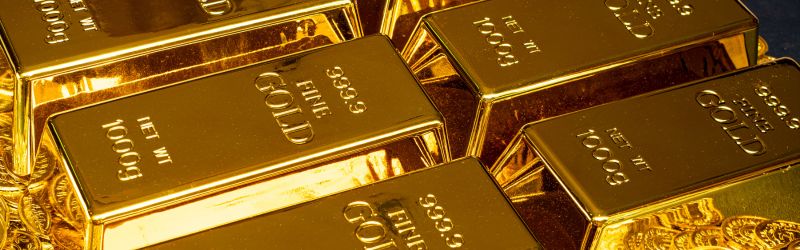
Gold, an enduring symbol of affluence and prosperity, has held humanity in awe for centuries. Its appeal goes beyond cultural significance; gold boasts intrinsic value within the intricate tapestry of the global economic landscape.
Have you ever pondered the worth of a substantial quantity, such as 17 tons of gold, in today’s market?
Currently, in March 2024, the price of one troy ounce of gold is roughly $2,050.
When hearing about physical gold movements and the escalating procurement of gold bullion by governments, you’ll frequently encounter terms like “gold ton” or “gold tonne.”
In the world of precious physical metals, a ton specifically refers to a metric tonne. For .999 fine physical gold bullion or any other precious metal, a metric tonne precisely translates to 32,150.7 troy ounces of gold or the equivalent amount in another precious metal. Understanding this metric is pivotal for those navigating the intricate dynamics of the precious metals market.
Therefore, to calculate how much 1 ton of gold is worth, you could multiply the current price of $2,050 by 32,150.7.
Then, multiply by 17 to get how much 17 tons of gold is worth. Therefore, the current value of 17 tons of gold is $1,120,451,895!
But the story doesn’t end there.
In this article, we will get into answering the question of “How Much is 17 Tons of Gold Worth?” and other relevant pieces of information related to how gold is priced.
Understanding Gold Pricing
First, let’s talk about how gold is priced.
Gold pricing is a complex interplay of various factors that collectively determine its value in the global market.
As investors and enthusiasts seek to comprehend the dynamics behind the glittering metal’s worth, it’s essential to learn about the intricate web of economic, geopolitical, and market-related influences.
- Economic Conditions: One of the primary drivers of gold prices is the prevailing economic climate. During periods of economic uncertainty or recession, investors often flock to gold as a safe-haven asset. The inverse relationship between the value of the U.S. dollar and gold prices further accentuates this trend. In times of economic instability, gold tends to retain its value, providing a reliable store of wealth.
- Inflation Rates: Gold has historically been viewed as a hedge against inflation. When inflation rates rise, the purchasing power of currencies diminishes. Investors turn to gold to preserve their wealth as it generally maintains its value even as the cost of living increases. Understanding the correlation between gold prices and inflation rates is crucial for predicting its value in different economic scenarios.
- Geopolitical Events: Geopolitical events can have a profound impact on gold prices. Wars, political instability, and diplomatic tensions can drive investors to seek the safety of gold, leading to an uptick in demand and subsequently, prices. Monitoring global events and their potential impact on geopolitical stability is integral to gauging the trajectory of gold prices.
- Interest Rates: Interest rates play a pivotal role in shaping gold prices. Central banks’ decisions on interest rate adjustments can influence the opportunity cost of holding gold. When interest rates are low, the appeal of non-interest-bearing assets like gold increases, driving up demand and, consequently, prices. Conversely, higher interest rates may lead to a decrease in gold prices as alternative investments become more attractive.
Weight and Measurement in the Gold Market
Understanding how gold is measured and the significance of weight in the gold market is fundamental for anyone navigating the intricacies of gold trading.
The unique measurement standards and the sheer weight of large gold quantities, such as a ton, contribute to the precious metal’s allure and value.
Gold is typically measured in troy ounces, distinct from the more familiar avoirdupois ounces used for everyday items. One troy ounce is equivalent to approximately 31.1035 grams. This specialized measurement unit is crucial in the gold market, ensuring standardization and uniformity in transactions globally.
When we speak of a ton of gold, we’re referring to the troy ton, which is distinct from the avoirdupois ton. A troy ton consists of approximately 32,150 troy ounces. The weight is not merely a numerical value; it signifies a substantial quantity of gold with immense value.
This division allows for more granular transactions in the gold market. Investors often encounter prices per troy ounce when assessing the value of gold, making it essential to grasp the relationship between troy pounds and ounces for accurate valuation and comparison.
How to Convert Troy Ounces and Troy Tons to Ounces and Tons
Converting troy ounces and troy tons to regular ounces and tons is as follows:
- Troy Ounces to Regular Ounces:
- 1 Troy Ounce (ozt): Equals approximately 31.1035 grams.
- 1 Regular Ounce (oz): Equals about 28.3495 grams.
- To convert troy ounces to regular ounces, multiply the troy ounces by the conversion factor of 1.09714 (28.3495 / 31.1035).
- Troy Tons to Regular Tons
- 1 Troy Ton (troy ton): Equals approximately 32,150 troy ounces.
- 1 Regular Ton (ton): Equals approximately 32,000 avoirdupois ounces.
- To convert Troy tons to regular tons, multiply the troy tons by the conversion factor of 0.907.
How Much is 17 Tons of Gold Worth Today?
Currently, in March 2024, the price of one troy ounce of gold is roughly $2,050.
To calculate how much one ton of gold is worth, you multiply the current price of $2,050 per troy ounce by 32,150.7 troy ounces.
Then, multiply by 17 to get the value of 17 tons.
Therefore, the current value of 17 ton of gold is $1,120,451,895!
Now that we’ve answered the question of how much is 17 ton of gold worth, let’s look at how much gold has been worth throughout history.
How Much has Gold Been Worth Throughout History?
Gold, a timeless symbol of wealth, has seen notable variations in value throughout history.
Examining specific periods provides a glimpse into the diverse influences on gold’s worth.
1. Gold During Ancient Civilizations
In ancient civilizations, spanning cultures from Egypt to Mesopotamia, gold held unparalleled cultural and monetary significance. Revered for its lustrous beauty and rarity, gold became a symbol of divine power, adorning temples, tombs, and the regalia of rulers.
In Ancient Egypt, gold transcended its material worth. The pharaohs adorned themselves with intricate gold jewelry, and the precious metal played a vital role in burial rituals, symbolizing the eternal and divine. The exact value of a ton of gold in ancient Egypt is difficult to estimate, but its cultural and symbolic importance was immeasurable.
Mesopotamian civilizations, such as the Sumerians and Babylonians, prized gold for its aesthetic qualities and rarity. It was used to craft artifacts, including religious items and royal insignia. The value of a ton of gold in Mesopotamia would have been a symbol of immense wealth, influencing trade and diplomatic relations.
2. Gold in the Middle Ages
As trade routes expanded and economies underwent transformations during the Middle Ages, gold continued to assert itself as a symbol of wealth and power.
In the Byzantine Empire, gold coins like the solidus were a stable currency for centuries. One solidus contained around 24 pure karats of gold. While the exact value of a ton of gold in Byzantium is challenging to quantify, the stability and prevalence of gold in commerce elevated its importance.
The Middle Ages saw the flourishing of trade along the Silk Road, connecting East and West. Gold, used as both currency and commodity, played a pivotal role in this commerce. The value of a ton of gold during Silk Road exchanges would have been a marker of considerable economic influence.
3. Gold in the 1700s and 1800s
The 1700s and 1800s were transformative periods in the history of gold, marked by significant economic shifts, technological advancements, and major geopolitical events. The role of gold during these centuries evolved, influencing global trade, shaping monetary systems, and sparking pivotal moments such as gold rushes.
During the 1700s, the Spanish colonies in the Americas were prolific producers of gold. Mines in present-day Mexico and Peru yielded substantial quantities, contributing to the economic expansion of Spain and fueling the global circulation of gold. The immense wealth extracted from these colonies played a crucial role in financing European wars and supporting the mercantilist ambitions of empires.
As the 1700s progressed, various nations began minting gold coins, laying the foundation for the gold standard. These coins, often depicting powerful rulers or national symbols, became a tangible representation of a country’s economic strength. The British Gold Sovereign, introduced in 1817, and the U.S. Double Eagle, minted from 1849, exemplify this era’s commitment to using gold as a standard of value.
While it’s challenging to provide precise price estimates for gold in the 1700s and 1800s due to the lack of standardized records and the variety of currencies used during that time, historical accounts and some benchmarks can offer insights into the approximate values:
- Spanish America:
- During the 1700s, the Spanish colonies, particularly in Mexico and Peru, were major gold producers. The extracted gold was primarily used to mint coins like the Spanish doubloon. The value of gold in these coins fluctuated based on purity and weight. For instance, a Spanish doubloon, containing around 27 grams of gold, might have had a value equivalent to several months’ wages for an average worker.
- Gold Standard Era:
- In the early to mid-1800s, as the gold standard gained prominence, specific values were assigned to gold coins. For example, the British Gold Sovereign, introduced in 1817, had a face value of one pound. In the United States, the Double Eagle, introduced in 1849, had a face value of $20. These face values, however, do not necessarily reflect the market value, which could be influenced by factors like scarcity and demand.
- California Gold Rush:
- During the California Gold Rush (1848–1855), the sudden influx of gold into the market had significant effects. While the exact market price varied, gold prices surged as a result of increased supply. In the early 1850s, gold prices reached approximately $18 to $20 per troy ounce.
It’s important to note that these estimates are based on historical accounts, and the actual values and purchasing power of gold during these periods can be challenging to precisely determine. The absence of a standardized global currency system during these centuries adds complexity to estimating the historical values of gold.
4. Post-War Period and the Bretton Woods Agreement (1940s-1970s)
Following World War II, the global economy sought stability, leading to the establishment of the Bretton Woods Agreement in 1944. Under this agreement, major currencies were pegged to the U.S. dollar, and the U.S. dollar, in turn, was pegged to gold at the fixed rate of $35 per ounce. This linkage had a profound impact on the value of a ton of gold, equating to $1,120,000.
The Bretton Woods system brought a sense of stability to international monetary relations, as currencies were anchored to a tangible asset—gold. However, the fixed exchange rate faced challenges as economies recovered and global trade expanded. The demand for the U.S. dollar grew, putting pressure on gold reserves.
The early 1970s witnessed a paradigm shift as economic dynamics strained the fixed exchange rate system. In 1971, President Richard Nixon announced the suspension of the dollar’s convertibility into gold, effectively ending the Bretton Woods Agreement. This marked a turning point, introducing a new era characterized by floating exchange rates and increased volatility in gold prices.
5. The Late 20th Century (1970s-1999)
Amid economic uncertainties and geopolitical tensions, the late 20th century saw remarkable fluctuations in gold prices, reflecting the metal’s role as a hedge against uncertainty.
The 1970s witnessed a surge in gold prices driven by a combination of factors, including oil crises, inflationary pressures, and geopolitical unrest. By 1980, gold reached a historic peak of $850 per ounce, making a ton of gold worth an astonishing $27,280,000. This period underscored gold’s resilience as a store of value during turbulent times.
Subsequent decades experienced fluctuations influenced by events like the Gulf War and economic recessions. The Gulf War in the early 1990s, coupled with economic uncertainties, led to renewed interest in gold as a safe-haven asset. The fluctuating geopolitical landscape and varying economic conditions continued to shape the trajectory of gold prices throughout the late 20th century.
6. The New Millennium (2000s-present)
Entering the new millennium, gold regained prominence. In 2008, during the financial crisis, gold prices soared to over $1,000 per ounce, elevating the value of a ton of gold to approximately $32,150,000. The following years witnessed sustained interest in gold as a safe-haven asset amid economic uncertainties.
The following years witnessed sustained interest in gold as a safe-haven asset amid economic uncertainties, geopolitical tensions, and concerns about currency stability. The metal continued to serve as a valuable diversification tool in investment portfolios.
In 2020, the global COVID-19 pandemic triggered another remarkable surge in gold prices. As investors sought refuge in safe-haven assets, gold prices surpassed $2,000 per troy ounce. The value of a ton of gold reached unprecedented heights, emphasizing gold’s enduring role as a store of value and a hedge against economic uncertainties.
Below is a graphical representation of gold prices over the last 50 years, showcasing the dynamic nature of the precious metal market. Peaks and troughs in the graph reflect periods of economic prosperity, crises, and changing investment landscapes, influencing the value of a ton of gold.
Gold Price Over Time
source: tradingeconomics.com
Understanding the historical context and examining price trends provides valuable insights into the multifaceted nature of gold as an asset class. The graph serves as a visual aid to comprehend the market’s response to various economic and geopolitical events, allowing investors and enthusiasts to make informed decisions regarding the worth of significant gold holdings.
Can You Buy 17 Tons of Gold?
The idea of purchasing 17 tons of gold may seem like a fantasy reserved for the ultra-wealthy, but it’s a notion that unveils the practicalities and complexities of acquiring such a massive quantity of this precious metal.
The first consideration revolves around the ever-changing price of gold. As of recent data, the price per troy ounce hovers around $2,000. This means that the cost of one ton of gold is in the range of $64,000,000, excluding additional expenses like taxes, transaction fees, and storage costs.
If you wanted to buy 17 tons of gold, you would need $1,120,451,895!
While the global gold market is vast, acquiring a ton of gold isn’t as simple as placing an order online. Large-scale transactions involve negotiations with reputable dealers, banks, or mining companies. The sourcing process must adhere to legal and ethical standards, considering factors such as the origin of the gold and adherence to responsible mining practices.
Other considerations include:
- Storage Logistics: Owning a ton of gold poses logistical challenges, especially concerning storage. The sheer weight and volume require specialized facilities with stringent security measures. Factors like insurance, transportation, and storage fees must be meticulously addressed.
- Liquidity and Resale: While gold is a highly liquid asset, selling a ton of gold can be a complex process. Finding a buyer willing to purchase such a substantial quantity at the desired price may require time and negotiation skills.
In essence, while it’s technically possible to “buy 17 tons of gold,” the practicalities involve navigating complex financial landscapes, adhering to legal and ethical standards, and considering the economic impact of such substantial transactions.
For the average individual, owning a ton of gold remains a distant aspiration, reserved for institutional players and central banks operating at the pinnacle of the global economic stage.
Final Thoughts
In wrapping up our article of “How Much is 17 Tons of Gold Worth?” we’ve covered the historical, economic, and cultural aspects of this valuable metal. From its use in ancient times to the impact of gold rushes and the influences of geopolitical events, the value of 17 tons of gold reflects the changes over time.
As we bridge the past and present, the question about the worth of 17 tons of gold isn’t just about numbers; it’s about understanding the enduring importance of gold. It has consistently served as a symbol of wealth, stability, and a safeguard against uncertainties. Its significance persists, making it a valuable asset that spans centuries.
Hopefully this article has been interesting for you to learn about gold.
Earning $70k a year is a great financial goal that many strive for. Achieving this level of income, which breaks down to roughly $5,833 per month, is not just about securing a respectable income. It reflects your developed skills, strategic thinking, and the resilience needed to overcome professional challenges.
It’s important to understand that reaching an annual income of $70k is often not an immediate or straightforward journey. For many, it is a process of enhancing skills, expanding professional networks, and consistently stepping out of comfort zones. Attaining this target requires both hard and smart work – capitalizing on opportunities, efficiently utilizing resources, and sometimes making calculated risks.
This guide will lead you through various strategies and methods to attain this realistic yet ambitious goal. Whether you’re at the start of your career or looking to increase your current income, this article aims to provide practical steps and encourage innovative thinking in your journey to make $70k a year.
From improving your professional abilities to exploring new income avenues, each part of this article is filled with crucial insights, offering a detailed guide to financial success and personal achievement.
How Much a Month is 70k a Year?
To understand your monthly earnings from an annual salary of $70,000, you need to divide this yearly income by the number of months in a year. Simply put, $70,000 divided by 12 months gives you a gross monthly income of approximately $5,833.33. This amount is your pre-tax income, meaning it does not account for deductions such as federal and state taxes, Social Security, Medicare, or other common deductions like retirement contributions or health insurance premiums.
Having a grasp of this gross monthly figure is crucial for planning your monthly budget, including expenses, savings, and investments.
However, for a more accurate assessment of your financial situation, you should also consider your net income – the amount you actually receive after all the deductions.
How Much an Hour is 70k a Year?
To determine the hourly wage that corresponds to a $70,000 annual salary, it’s important to consider the standard number of work hours in a year.
For most full-time jobs, the typical workweek is 40 hours. Multiplying this by 52 weeks in a year, you get a total of 2,080 working hours annually. Therefore, dividing the annual salary of $70,000 by 2,080 hours gives you an approximate hourly rate of about $33.65.
Therefore, to earn $70k a year in an hourly job, you would need to make around $34 an hour.
This figure is especially useful for freelancers or contract workers in setting their hourly rates and also for full-time employees to understand their compensation on an hourly basis. Keep in mind, this calculation assumes a consistent work schedule throughout the year and doesn’t include overtime pay, bonuses, or other additional compensation that might apply.
How Much is 70k a Year after Taxes?
Estimating the net income from a $70,000 annual salary after taxes involves various factors including your filing status, where you live, and any applicable tax deductions or credits. In the United States, federal taxes are levied on a progressive scale, meaning different portions of your income are taxed at different rates.
As a rough example, if we use an average federal tax rate of about 22% for this income level (which can vary based on individual circumstances and deductions), you would pay approximately $15,400 in federal taxes. This would leave you with a net income of around $54,600. However, this is a simplified estimate and can differ based on your specific tax situation, such as deductions for retirement savings, health care expenses, or charitable contributions.
In addition to federal taxes, state taxes must also be considered as they can significantly impact your take-home pay. State income tax rates vary widely – some states have high tax rates, while others have no state income tax at all. Therefore, the actual amount you take home from a $70,000 salary can vary considerably depending on where you live.
For a more precise calculation, it’s advisable to use an online tax calculator or consult with a tax professional. These tools or experts can consider your particular circumstances, including any eligible deductions and credits, to provide a more accurate estimate of your after-tax income.
What Jobs and Industries Pay $70,000 a Year
Earning an annual salary of $70,000 is a feasible objective in numerous industries, especially for those who have acquired a blend of experience, specific skills, and in some cases, advanced education.
Here’s a look at various sectors and corresponding job roles where a $70,000 salary is commonly seen, along with the typical qualifications and skills needed.
1. Technology Sector:
- Software Developer: Entry to mid-level software developers in areas like web development, mobile app development, or enterprise software can earn around this salary. Proficiency in programming languages and a bachelor’s degree in computer science or related fields is usually required.
- IT Analyst: IT analysts who evaluate and implement technology solutions can command this salary, particularly with a few years of experience and certifications in specific technologies or systems.
2. Healthcare Industry:
- Registered Nurse (RN): Nurses, particularly those with specializations or working in metropolitan areas, can reach this income level. A Bachelor of Science in Nursing (BSN) and a registered nurse license are essential.
- Physical Therapist Assistant: With an Associate’s degree in physical therapy and licensure, these professionals working in hospitals or private clinics can earn salaries in this range.
3. Business and Finance:
- Accountant: Experienced accountants, especially those with Certified Public Accountant (CPA) qualifications or working in larger firms, often earn around $70,000.
- Human Resources (HR) Manager: HR professionals with several years of experience and possibly a master’s degree in HR or related fields can reach this salary level, especially in larger organizations.
4. Engineering and Manufacturing:
- Mechanical Engineer: Entry to mid-level mechanical engineers in industries like automotive, aerospace, or manufacturing can earn this amount. A bachelor’s degree in mechanical engineering is typically required.
- Quality Assurance Engineer: These engineers, ensuring products meet quality standards, can earn around $70,000, especially with a few years of experience in the field.
5. Education and Training:
- Experienced School Teachers: Teachers with a decade or more of experience, especially those in districts with higher pay scales or holding advanced degrees, can earn salaries at or above this level.
- Instructional Designer: Professionals who develop educational programs and materials, often for corporations or higher education institutions, can command similar salaries, especially with advanced education and experience.
6. Marketing and Digital Media:
- Digital Marketing Specialist: With the growing importance of online presence, digital marketing specialists with skills in SEO, content marketing, or social media can reach the $70,000 mark.
- Graphic Designer: Senior graphic designers with several years of experience, particularly those working in advertising agencies or corporate settings, can earn this amount.
7. Public Sector and Government Jobs:
- Program Manager: Government employees in managerial roles, especially in federal or state agencies, can achieve this salary level.
- Urban Planner: Urban planners with advanced degrees and several years of experience, particularly in larger municipalities or regional planning, can also reach this salary.
8. Sales and Customer Relations:
- Sales Representative: Experienced representatives, especially in sectors like pharmaceuticals, technology, or industrial equipment, can earn salaries around $70,000.
- Customer Success Manager: In the tech industry, these professionals managing client relationships and ensuring customer satisfaction often reach this income level.
To achieve a $70,000 salary, professionals usually need a mix of relevant education, specialized skills, and substantial experience in their respective fields. Additionally, continuous learning, effective networking, and keeping up-to-date with industry trends are crucial for career progression and reaching this income level.
Now, let’s dive into some practical tips for you to increase your income and make $70k a year.
How to Make 70k a Year
Earning $70k a year is an ambitious goal that requires a well-thought-out strategy, encompassing skill enhancement, diversifying income sources, and sometimes venturing into entrepreneurship.
You can make $70k a year many different ways.
You could make $70,000 a year by raising your hourly wage to roughly $34 an hour as we discussed above. It could be making $60k a year in a job and making an additional $10k a year freelancing. You could also make investments in real estate or the stock market to earn income to supplement other income streams.
Or it could be a combination of all of these!
Here’s a detailed guide on how to achieve this:
1. Assess Your Current Income Level
The first step in your journey to earning $70k a year is to conduct a thorough assessment of your current income. This involves not only understanding how much you are earning but also analyzing where the money is coming from and how it aligns with your skills and passions.
Are you working in a job that has growth potential? Do your current skills and experience position you for higher-paying roles?
It’s crucial to have a clear picture of your starting point to set realistic goals and timelines for reaching that $70k mark.
2. Analyze Current Income Streams
After assessing your overall income, dive deeper into each individual income stream. For many, this might just be their primary job, but others may have additional sources like part-time work, freelance gigs, or rental income.
Break down each source: how much is it contributing to your total income, and what is its potential for growth? This analysis will help you identify which streams can be expanded and which new ones might be worth exploring.
3. Understand and Research Industries
Knowledge about high-paying industries is vital. Some sectors inherently offer higher salaries and more opportunities for financial growth. Research industries like technology, healthcare, finance, and legal services, which are known for six-figure incomes.
Also, stay informed about emerging industries; for instance, renewable energy and AI are rapidly growing fields with lucrative prospects. Understanding industry dynamics, required skills, and potential roles can guide you in aligning your career path towards higher-paying opportunities.
4. Invest in Yourself to Grow Your Skills
Investment in personal and professional development is non-negotiable. Consider pursuing additional certifications, degrees, or training in your field. For example, a digital marketing professional might benefit from a certification in Google Analytics or AdWords.
Similarly, an IT professional could enhance their prospects with certifications in cloud computing or cybersecurity. Attending workshops, webinars, and industry conferences not only boosts your skills but also expands your professional network.
5. Explore Diversifying Income Streams with Passive Income
Passive income can be a game-changer. It refers to earnings derived from ventures in which you are not actively involved, like rental income from real estate, earnings from investments in stocks or bonds, or royalties from publishing a book or creating an online course.
Assess what types of passive income streams align with your interests and financial goals. Remember, while the income is ‘passive,’ it often requires an upfront investment of time, money, or both.
6. Side Hustles
Engaging in side hustles is an effective way to supplement your primary income and can be particularly useful in reaching the 70k a year target. Side hustles can vary widely depending on your skills, interests, and the time you can dedicate.
For instance, if you have a talent for graphic design, freelance projects can be a lucrative side hustle. Platforms like Fiverr or Upwork offer a marketplace to find such freelance work. Writing, whether it’s content creation, blogging, or ghostwriting, is another area ripe for side hustling.
Setting up an e-commerce store is another option, where you can sell products related to a hobby or interest, like handmade crafts or curated vintage items.
For those with a knack for photography, selling photos online through stock photo websites or offering photography services for events or portraits during weekends can be profitable.
The key to a successful side hustle is to find a balance that complements your main job and aligns with your skills and interests, ensuring it’s both enjoyable and financially rewarding.
7. Start a Business
Starting a business is a bold step towards making $70k a year, but it’s one that can pay off significantly. Whether it’s opening a retail store, starting a tech company, or launching a consulting service, entrepreneurship is a path to potentially unlimited income. It requires thorough market research, a solid business plan, and often, an upfront capital investment.
However, the rewards, both financial and personal, can be substantial.
Summing up, making $70k a year is a multifaceted endeavor that combines understanding your current position, researching potential industries, investing in yourself, and exploring various income streams, including passive ones, side hustles, and possibly starting your own business. With dedication, strategic planning, and a willingness to learn and adapt, this ambitious goal is well within reach.
Maximizing Income Potential
In the journey to achieving an income of 70k a year, simply relying on your current skill set or income streams may not suffice. Maximizing your income potential is about strategically enhancing and leveraging your capabilities to unlock higher earning opportunities.
This section is dedicated to guiding you through essential strategies like honing negotiation skills and committing to professional development, which are pivotal for propelling your income to the next level.
Whether you’re climbing the corporate ladder, freelancing, or running a business, these strategies are universally applicable and can significantly impact your financial growth.
Negotiation Skills
Mastering negotiation skills is a crucial component in your toolkit for unlocking higher income potential. Effective negotiation skills are vital whether you’re in a discussion for a salary increase, setting freelance rates, or closing a business deal. Each of these scenarios presents an opportunity to significantly boost your earnings.
Actionable Advice for Improving Negotiation Skills:
- Educate Yourself: Begin by understanding the market rates for your role or services. Utilize resources like Glassdoor or Payscale to gather insights into what others in your field are earning. This knowledge provides a solid foundation for your negotiations.
- Practice Communication Skills: Your ability to clearly articulate your value and achievements is key. Prepare specific examples that showcase your contributions and successes. This could involve outlining how you’ve increased company revenue, improved efficiency, or brought in new clients.
- Role-play Scenarios: Practice makes perfect. Engage in role-play scenarios with a friend or mentor to simulate negotiation situations. This practice can help you prepare for potential tough questions and will build your confidence in real negotiation settings.
- Win-Win Mindset: Approach negotiations with the mindset of finding a solution that benefits both parties. This collaborative approach is often more successful and can lead to more positive outcomes and long-term relationships.
Professional Development
In today’s rapidly evolving job markets, continual learning and skill advancement are essential for career progression and attaining a higher income. Keeping your skills up-to-date and aligning them with market demands is crucial.
Actionable Advice for Professional Development:
- Identify Key Skills: Regularly assess and identify emerging trends and high-demand skills in your industry. This might involve technological advancements, new methodologies, or evolving best practices.
- Attend Workshops and Seminars: Actively seek out and participate in workshops and seminars relevant to your field. These events are not only educational but also provide valuable networking opportunities.
- Pursue Certifications or Advanced Education: Consider pursuing additional qualifications, such as specialized certifications or advanced degrees. These can significantly enhance your marketability and open doors to higher-paying roles. For instance, a project manager might benefit from a PMP certification, while a digital marketer might pursue a certification in digital analytics.
- Leverage Online Learning Platforms: Utilize online learning platforms like Coursera, Udemy, or LinkedIn Learning, which offer a wide range of courses across various industries. These platforms provide flexibility and access to a wealth of knowledge, enabling you to learn and grow at your own pace.
Both negotiation skills and professional development are essential for anyone aiming to reach and exceed a annual income of 70k. By focusing on these areas, you can significantly enhance your earning potential and advance your career.
Overcoming Challenges on the Way to $70k a Year
The journey towards earning a annual income of 70k is often marked by various challenges, both professional and personal. These obstacles can sometimes seem daunting, but they also present opportunities for growth and learning. Navigating through these challenges successfully requires a strategic approach and a resilient mindset.
Embrace Adaptability
In an ever-changing market landscape, adaptability is key. The willingness to pivot strategies and explore new avenues can be a game-changer.
- Exploring New Industries: Be open to the idea of venturing into new industries that show growth potential. For example, if you’re in a stagnating industry, consider upskilling for a more dynamic field like tech or renewable energy.
- Changing Job Roles: Sometimes, the path to higher income involves shifting to different roles within your current field or a new one. This might mean transitioning from a technical role to a managerial position, where the scope for higher earnings could be more substantial.
- Adapting Business Models: If you’re an entrepreneur, staying flexible and adapting your business model to the current market trends can help sustain and grow your business. For instance, during times when online presence is crucial, shifting focus to e-commerce can be beneficial.
Be Resilient
Resilience in the face of setbacks and failures is crucial. Every challenge carries with it a lesson that can lead to better decisions in the future.
- Learning from Failures: Instead of viewing failures as roadblocks, see them as stepping stones to success. Analyze what went wrong and how you can avoid similar mistakes in the future.
- Staying Motivated: Keep your end goal in sight and remind yourself of why you started. Maintaining a positive outlook is crucial for overcoming hurdles.
Build a Network
A strong professional network can be an invaluable asset in navigating through challenges.
- Seeking Mentorship: Connect with mentors who have experience in your field. Their guidance can provide insights and strategies that you might not have considered.
- Networking Events: Attend industry events, seminars, and workshops. These are great opportunities to meet like-minded professionals and potential collaborators or mentors.
Maintain a Work-Life Balance
Maintaining a healthy work-life balance is essential. Burnout can be a significant hindrance to progress and can affect both your professional performance and personal well-being.
- Time Management: Prioritize your tasks and manage your time effectively. Knowing when to work hard and when to take a break is crucial.
- Self-Care: Invest in activities that promote your physical and mental well-being. Regular exercise, hobbies, and spending time with loved ones can rejuvenate your energy and focus.
By embracing adaptability, fostering resilience, building a strong network, and maintaining balance, you can effectively navigate the challenges on your path to earning $70,000 a year. Remember, the journey is as important as the destination, and each challenge overcome is a step closer to your financial goals.
Final Thoughts
Making 70k a year is a realistic and achievable goal, but it doesn’t come without effort and dedication. It’s a blend of enhancing your skills, making intelligent investments, and capitalizing on the right opportunities.
The key is to remain focused, be adaptable to change, and continuously seek ways to add value to your professional endeavors.
Earning $65k a year is a great financial goal that many strive for. Achieving this level of income, which breaks down to roughly $5,417 per month, is not just about securing a respectable income. It reflects your developed skills, strategic thinking, and the resilience needed to overcome professional challenges.
It’s important to understand that reaching an annual income of $65k is often not an immediate or straightforward journey. For many, it is a process of enhancing skills, expanding professional networks, and consistently stepping out of comfort zones. Attaining this target requires both hard and smart work – capitalizing on opportunities, efficiently utilizing resources, and sometimes making calculated risks.
This guide will lead you through various strategies and methods to attain this realistic yet ambitious goal. Whether you’re at the start of your career or looking to increase your current income, this article aims to provide practical steps and encourage innovative thinking in your journey to make $65k a year.
From improving your professional abilities to exploring new income avenues, each part of this article is filled with crucial insights, offering a detailed guide to financial success and personal achievement.
How Much a Month is 65k a Year?
Determining your monthly income from a $65,000 annual salary is a straightforward calculation that can greatly aid in financial planning and budgeting. To find this monthly figure, divide the total yearly income by the number of months in a year.
In this case, dividing $65,000 by 12 (the number of months) results in a gross monthly income of approximately $5,416.67. It’s important to note that this is a pre-tax amount, known as gross income. It doesn’t account for deductions like federal and state taxes, Social Security, Medicare, or other withholdings such as retirement plan contributions or health insurance premiums.
Understanding your gross monthly income is vital for planning regular expenses, savings, and investments, but it’s also essential to consider your net income – the amount you actually take home after all deductions – for accurate financial planning.
How Much an Hour is 65k a Year?
To compute the hourly wage for a $65,000 annual salary, one needs to consider the average number of working hours in a year. Assuming a standard full-time workweek of 40 hours, the total number of working hours in a year is typically around 2,080 (calculated as 40 hours per week times 52 weeks).
By dividing the annual salary of $65,000 by 2,080 hours, you get an approximate hourly wage of about $31.25. This calculation is particularly useful for freelance or contract workers when determining their rates. It also helps full-time employees understand their compensation in terms of an hourly rate.
Therefore, to earn $65k a year in an hourly job, you would need to make around $31 an hour.
This figure is essential for those in freelance or contract roles, providing a guideline for hourly pricing. It also helps full-time employees gauge their pay against industry standards.
How Much is 65k a Year after Taxes?
The net income from a $65,000 annual salary after taxes can vary depending on several factors, including your filing status, state of residence, and any applicable tax deductions or credits. In the United States, the federal tax system is progressive, meaning that different portions of your income are taxed at increasing rates. Therefore, your effective tax rate is not a flat rate but varies based on your income and tax bracket.
If we consider a hypothetical average federal tax rate of around 22% for this income level, you would pay approximately $14,300 in federal taxes, leaving you with about $50,700. However, this is a simplified example and can differ based on individual circumstances such as specific deductions for retirement contributions, mortgage interest, or charitable donations.
State taxes also need to be considered, as they can have a significant impact on your take-home pay. States vary widely in their income tax rates, with some states having high rates and others having no state income tax at all. As a result, the actual amount you take home from a $65,000 salary can differ considerably based on where you live. For a more accurate estimation of your after-tax income, it’s advisable to use an online tax calculator or consult with a tax professional.
What Jobs and Industries Pay $65,000 a Year
A salary of $65,000 per year is attainable in various industries, often representing a blend of experience, niche skills, and in some cases, higher education. The following sectors and roles are known to offer such compensation, along with the usual qualifications and expertise needed.
1. Technology Sector:
- Junior Software Developer: Professionals starting in software development, with skills in coding languages like Python, Java, or C++, often earn around this figure. A bachelor’s degree in computer science or a related field is typically required.
- Network Administrator: Responsible for maintaining and troubleshooting computer networks, these IT professionals can command such salaries, especially with certifications like Cisco’s CCNA.
2. Healthcare Industry:
- Licensed Practical Nurse (LPN): LPNs with several years of experience, particularly in specialized healthcare settings, can reach this salary. A practical nursing license is required.
- Dental Hygienist: With an associate degree in dental hygiene and state licensure, dental hygienists in busy practices or metropolitan areas can earn in this range.
3. Business and Finance:
- Junior Accountant: Entry to mid-level accountants, particularly those with a CPA qualification or working in larger firms, can expect to earn around $65,000.
- Financial Analyst: Analysts in the early stages of their careers in corporate finance or investment firms often have salaries in this range, especially with a bachelor’s degree in finance, economics, or a related field.
4. Engineering:
- Entry-Level Civil Engineer: With a bachelor’s degree in civil engineering, these professionals working in sectors like construction, transportation, or urban development can earn similar salaries.
- Quality Control Engineer: Engineers ensuring product standards and compliance, often in manufacturing sectors, can reach this income level, particularly with a few years of experience.
5. Education:
- Experienced Teachers: Teachers, particularly those in high-demand subjects or regions with higher pay scales, can earn $65,000, especially with additional certifications or a master’s degree.
- Educational Administrator: Roles such as assistant principals or district administrators often have salaries around this range, typically requiring advanced degrees in education administration.
6. Marketing and Communications:
- Content Marketing Specialist: Professionals with expertise in content strategy and digital marketing tools can reach this salary, especially with a few years of experience.
- Public Relations Coordinator: PR coordinators in larger firms or those with several years of experience in corporate communication can command such salaries.
7. Public Sector and Non-Profit Organizations:
- Social Services Manager: Those managing programs and teams in social services or non-profit organizations can earn around $65,000, particularly with a relevant master’s degree and experience.
- Government Analyst: Analysts in government agencies, especially in urban planning, environmental policy, or public health, often reach this salary.
8. Sales and Retail:
- Retail Store Manager: Managers of large retail stores or those with significant sales volumes can achieve this level of income, especially with experience and success in sales management.
- Business Development Representative: In industries like tech or pharmaceuticals, these professionals focusing on generating new business can earn salaries in this range.
Achieving a $65,000 salary typically requires a combination of relevant academic qualifications, specialized skills, and professional experience. Continuous learning, networking, and staying abreast of industry trends are also key to advancing in these careers and reaching this income level.
Now, let’s dive into some practical tips for you to increase your income and make $65k a year.
How to Make 65k a Year
Earning $65k a year is an ambitious goal that requires a well-thought-out strategy, encompassing skill enhancement, diversifying income sources, and sometimes venturing into entrepreneurship.
You can make $65k a year many different ways.
You could make $65,000 a year by raising your hourly wage to roughly $31 an hour as we discussed above. It could be making $55k a year in a job and making an additional $10k a year freelancing. You could also make investments in real estate or the stock market to earn income to supplement other income streams.
Or it could be a combination of all of these!
Here’s a detailed guide on how to achieve this:
1. Assess Your Current Income Level
The first step in your journey to earning $65k a year is to conduct a thorough assessment of your current income. This involves not only understanding how much you are earning but also analyzing where the money is coming from and how it aligns with your skills and passions.
Are you working in a job that has growth potential? Do your current skills and experience position you for higher-paying roles?
It’s crucial to have a clear picture of your starting point to set realistic goals and timelines for reaching that $65k mark.
2. Analyze Current Income Streams
After assessing your overall income, dive deeper into each individual income stream. For many, this might just be their primary job, but others may have additional sources like part-time work, freelance gigs, or rental income.
Break down each source: how much is it contributing to your total income, and what is its potential for growth? This analysis will help you identify which streams can be expanded and which new ones might be worth exploring.
3. Understand and Research Industries
Knowledge about high-paying industries is vital. Some sectors inherently offer higher salaries and more opportunities for financial growth. Research industries like technology, healthcare, finance, and legal services, which are known for six-figure incomes.
Also, stay informed about emerging industries; for instance, renewable energy and AI are rapidly growing fields with lucrative prospects. Understanding industry dynamics, required skills, and potential roles can guide you in aligning your career path towards higher-paying opportunities.
4. Invest in Yourself to Grow Your Skills
Investment in personal and professional development is non-negotiable. Consider pursuing additional certifications, degrees, or training in your field. For example, a digital marketing professional might benefit from a certification in Google Analytics or AdWords.
Similarly, an IT professional could enhance their prospects with certifications in cloud computing or cybersecurity. Attending workshops, webinars, and industry conferences not only boosts your skills but also expands your professional network.
5. Explore Diversifying Income Streams with Passive Income
Passive income can be a game-changer. It refers to earnings derived from ventures in which you are not actively involved, like rental income from real estate, earnings from investments in stocks or bonds, or royalties from publishing a book or creating an online course.
Assess what types of passive income streams align with your interests and financial goals. Remember, while the income is ‘passive,’ it often requires an upfront investment of time, money, or both.
6. Side Hustles
Engaging in side hustles is an effective way to supplement your primary income and can be particularly useful in reaching the 65k a year target. Side hustles can vary widely depending on your skills, interests, and the time you can dedicate.
For instance, if you have a talent for graphic design, freelance projects can be a lucrative side hustle. Platforms like Fiverr or Upwork offer a marketplace to find such freelance work. Writing, whether it’s content creation, blogging, or ghostwriting, is another area ripe for side hustling.
Setting up an e-commerce store is another option, where you can sell products related to a hobby or interest, like handmade crafts or curated vintage items. Don’t forget to make social media pages for your store as well so you can expand your reach. You can also Buy Instagram followers with multi-payment options, for example, to help with your engagement. You need potential customers to find and connect with you.
For those with a knack for photography, selling photos online through stock photo websites or offering photography services for events or portraits during weekends can be profitable.
The key to a successful side hustle is to find a balance that complements your main job and aligns with your skills and interests, ensuring it’s both enjoyable and financially rewarding.
7. Start a Business
Starting a business is a bold step towards making $65k a year, but it’s one that can pay off significantly. Whether it’s opening a retail store, starting a tech company, or launching a consulting service, entrepreneurship is a path to potentially unlimited income. It requires thorough market research, a solid business plan, and often, an upfront capital investment.
However, the rewards, both financial and personal, can be substantial.
Summing up, making $65k a year is a multifaceted endeavor that combines understanding your current position, researching potential industries, investing in yourself, and exploring various income streams, including passive ones, side hustles, and possibly starting your own business. With dedication, strategic planning, and a willingness to learn and adapt, this ambitious goal is well within reach.
Maximizing Income Potential
In the journey to achieving an income of 65k a year, simply relying on your current skill set or income streams may not suffice. Maximizing your income potential is about strategically enhancing and leveraging your capabilities to unlock higher earning opportunities.
This section is dedicated to guiding you through essential strategies like honing negotiation skills and committing to professional development, which are pivotal for propelling your income to the next level.
Whether you’re climbing the corporate ladder, freelancing, or running a business, these strategies are universally applicable and can significantly impact your financial growth.
Negotiation Skills
Mastering negotiation skills is a crucial component in your toolkit for unlocking higher income potential. Effective negotiation skills are vital whether you’re in a discussion for a salary increase, setting freelance rates, or closing a business deal. Each of these scenarios presents an opportunity to significantly boost your earnings.
Actionable Advice for Improving Negotiation Skills:
- Educate Yourself: Begin by understanding the market rates for your role or services. Utilize resources like Glassdoor or Payscale to gather insights into what others in your field are earning. This knowledge provides a solid foundation for your negotiations.
- Practice Communication Skills: Your ability to clearly articulate your value and achievements is key. Prepare specific examples that showcase your contributions and successes. This could involve outlining how you’ve increased company revenue, improved efficiency, or brought in new clients.
- Role-play Scenarios: Practice makes perfect. Engage in role-play scenarios with a friend or mentor to simulate negotiation situations. This practice can help you prepare for potential tough questions and will build your confidence in real negotiation settings.
- Win-Win Mindset: Approach negotiations with the mindset of finding a solution that benefits both parties. This collaborative approach is often more successful and can lead to more positive outcomes and long-term relationships.
Professional Development
In today’s rapidly evolving job markets, continual learning and skill advancement are essential for career progression and attaining a higher income. Keeping your skills up-to-date and aligning them with market demands is crucial.
Actionable Advice for Professional Development:
- Identify Key Skills: Regularly assess and identify emerging trends and high-demand skills in your industry. This might involve technological advancements, new methodologies, or evolving best practices.
- Attend Workshops and Seminars: Actively seek out and participate in workshops and seminars relevant to your field. These events are not only educational but also provide valuable networking opportunities.
- Pursue Certifications or Advanced Education: Consider pursuing additional qualifications, such as specialized certifications or advanced degrees. These can significantly enhance your marketability and open doors to higher-paying roles. For instance, a project manager might benefit from a PMP certification, while a digital marketer might pursue a certification in digital analytics.
- Leverage Online Learning Platforms: Utilize online learning platforms like Coursera, Udemy, or LinkedIn Learning, which offer a wide range of courses across various industries. These platforms provide flexibility and access to a wealth of knowledge, enabling you to learn and grow at your own pace.
Both negotiation skills and professional development are essential for anyone aiming to reach and exceed a annual income of 65k. By focusing on these areas, you can significantly enhance your earning potential and advance your career.
Overcoming Challenges on the Way to 65k a Year
The journey towards earning a annual income of 65k is often marked by various challenges, both professional and personal. These obstacles can sometimes seem daunting, but they also present opportunities for growth and learning. Navigating through these challenges successfully requires a strategic approach and a resilient mindset.
Embrace Adaptability
In an ever-changing market landscape, adaptability is key. The willingness to pivot strategies and explore new avenues can be a game-changer.
- Exploring New Industries: Be open to the idea of venturing into new industries that show growth potential. For example, if you’re in a stagnating industry, consider upskilling for a more dynamic field like tech or renewable energy.
- Changing Job Roles: Sometimes, the path to higher income involves shifting to different roles within your current field or a new one. This might mean transitioning from a technical role to a managerial position, where the scope for higher earnings could be more substantial.
- Adapting Business Models: If you’re an entrepreneur, staying flexible and adapting your business model to the current market trends can help sustain and grow your business. For instance, during times when online presence is crucial, shifting focus to e-commerce can be beneficial.
Be Resilient
Resilience in the face of setbacks and failures is crucial. Every challenge carries with it a lesson that can lead to better decisions in the future.
- Learning from Failures: Instead of viewing failures as roadblocks, see them as stepping stones to success. Analyze what went wrong and how you can avoid similar mistakes in the future.
- Staying Motivated: Keep your end goal in sight and remind yourself of why you started. Maintaining a positive outlook is crucial for overcoming hurdles.
Build a Network
A strong professional network can be an invaluable asset in navigating through challenges.
- Seeking Mentorship: Connect with mentors who have experience in your field. Their guidance can provide insights and strategies that you might not have considered.
- Networking Events: Attend industry events, seminars, and workshops. These are great opportunities to meet like-minded professionals and potential collaborators or mentors.
Maintain a Work-Life Balance
Maintaining a healthy work-life balance is essential. Burnout can be a significant hindrance to progress and can affect both your professional performance and personal well-being.
- Time Management: Prioritize your tasks and manage your time effectively. Knowing when to work hard and when to take a break is crucial.
- Self-Care: Invest in activities that promote your physical and mental well-being. Regular exercise, hobbies, and spending time with loved ones can rejuvenate your energy and focus.
By embracing adaptability, fostering resilience, building a strong network, and maintaining balance, you can effectively navigate the challenges on your path to earning $65,000 a year. Remember, the journey is as important as the destination, and each challenge overcome is a step closer to your financial goals.
Final Thoughts
Making 65k a year is a realistic and achievable goal, but it doesn’t come without effort and dedication. It’s a blend of enhancing your skills, making intelligent investments, and capitalizing on the right opportunities.
The key is to remain focused, be adaptable to change, and continuously seek ways to add value to your professional endeavors.